Last updated: September 30, 2026
We may earn a commission when you buy through links on this page, at no extra cost to you. We were not sent samples and no brand paid for placement. How we research and rate.
The short version
Start with the honest position: no shampoo grows hair. Shampoo is on the scalp for a minute or two and then rinsed away, which is not how a growth treatment works. The two treatments with strong evidence for androgenetic hair loss are minoxidil and finasteride, and neither is organic or available as a wash.
What is genuinely interesting here is rosemary oil. A randomised trial compared rosemary oil against 2% minoxidil over six months in androgenetic alopecia and found comparable increases in hair count, with less scalp itching in the rosemary group. That is one study, and it is a considerably better result than anything else in the botanical aisle can point to.
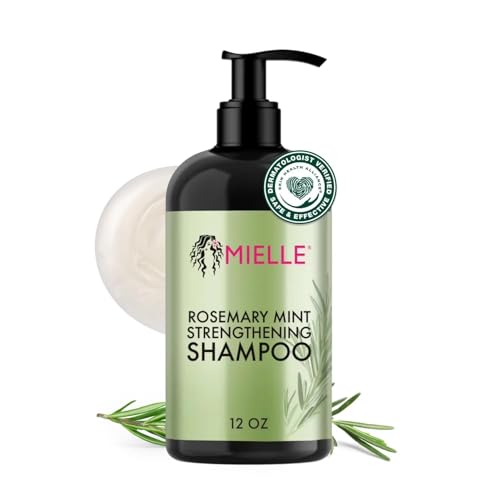
Our top pick is Sky Organics Rosemary Strong Roots Oil, a leave-on oil rather than a wash, which is the format that actually gives the ingredient contact time. Sky Organics Rosemary Strong Roots Oil is the certified organic alternative, and Mielle Rosemary Mint Shampoo is the wash to pair with either.
Best organic hair growth products compared
Five products, scored on the same criteria. The Organic Integrity Score is out of 100 and our rating is that score expressed out of five. Prices update automatically.
| Best Choice | Best Value | ||||
 |  |  |  |  | |
| Product | Sky Organics Strong Roots | Mielle Rosemary Mint Oil | Mielle Rosemary Shampoo | Organic Rosemary Shampoo | Rosemary & Onion Shampoo |
| Organic Integrity Score | 92/ 100 | 89/ 100 | 84/ 100 | 80/ 100 | 78/ 100 |
| Our rating | 4.6 | 4.5 | 4.2 | 4.0 | 3.9 |
| Certification | USDA Organic, Leaping Bunny | — | — | — | — |
| Format | Leave-on scalp serum | Leave-on oil | Rinse-off shampoo | Rinse-off shampoo | Rinse-off shampoo |
| Contact time | Hours | Hours | Under 2 minutes | Under 2 minutes | Under 2 minutes |
| Best for | Certified organic, purest | Format that gives rosemary | Wash to pair | Higher rosemary positioning | Adding onion extract |
| Price | $16.99$8.50 / fluid ounce View on Amazon | $8.84 $9.99 −12%$4.42 / fluid ounce View on Amazon | $9.93$0.83 / fluid ounce View on Amazon | $19.88 View on Amazon | $16.99$1.01 / fluid ounce View on Amazon |
- Organic Skincare and Beauty hub
- our organic product database — compare brands across every guide
Price and availability as of October 27, 2026 7:10 am EDT. Product prices and availability are accurate as of the date/time indicated and are subject to change. Any price and availability information displayed on Amazon.com at the time of purchase will apply to the purchase of this product.
The organic hair growth shampoo certifications, and the question each one leaves open
Certification names are easy to confuse and easy to trade on. Below is what each of these marks covers, and the part of the picture it says nothing about.
| Certification | Covers | Key exclusion |
| USDA Organic | Farming and handling: no synthetic pesticides or fertilizers, no GMOs, no sewage sludge or irradiation, audited yearly by an accredited certifier | Three different tiers share the one seal, and it makes no claim about worker pay, food miles, or nutrition |
| Leaping Bunny | No animal testing at any stage by the company or its suppliers, with supply-chain audits and annual recommitment | Says nothing about the ingredients themselves, organic content, or whether the product is vegan |
USDA Organic is three claims wearing one seal. “100% Organic” means every ingredient is certified. Plain “Organic”, the version you will see most often, means at least 95% by weight, with the remainder drawn from an approved national list. “Made with organic ingredients” means 70%, and that wording may not carry the USDA seal at all. The phrase on the front of the pack tells you which of the three you are holding, and the gap between them is not small.
What the rosemary oil evidence actually says
This is the reason this page exists, so it is worth setting out precisely rather than vaguely.
A randomised comparative trial in patients with androgenetic alopecia compared rosemary oil with 2% minoxidil over six months. Both groups showed a significant increase in hair count at six months, and the difference between the two groups was not statistically significant. Notably, scalp itching was more frequent in the minoxidil group.
What that supports: rosemary oil is a plausible option for androgenetic hair loss with a genuine controlled trial behind it, which puts it far ahead of every other botanical sold for this purpose.
What it does not support: that rosemary oil beats minoxidil, that it works for other types of hair loss, or that a shampoo containing some rosemary extract replicates the result. The trial used rosemary oil applied to the scalp and left on, not a rinse-off product.
The usual caveats apply. It is a single trial with a modest sample, comparing against the lower 2% minoxidil concentration rather than 5%. Replication has been limited. Treat it as genuinely promising rather than settled, which is a rarer thing to be able to say in this aisle than you might expect.
There is also a proposed mechanism, which helps: rosemary has demonstrated anti-inflammatory activity and some evidence of inhibiting the enzyme pathway involved in androgenetic hair loss. That is not proof, and it is more than most botanicals offer.
What actually causes hair loss
Buying the right thing depends entirely on which of these you have, and they are not interchangeable.
Androgenetic alopecia is the common pattern hair loss affecting a majority of men and a large share of women over time. It is genetic and hormonal, follicles progressively miniaturise, and it is the type minoxidil, finasteride and possibly rosemary oil address.
Telogen effluvium is diffuse shedding a few months after a trigger: illness, surgery, childbirth, crash dieting, severe stress. It is temporary and usually resolves on its own within six to nine months. Products taken during recovery frequently get credit for a recovery that was happening anyway.
Nutritional deficiency, particularly iron, causes shedding and is common, easily tested and easily corrected. Thyroid dysfunction does the same. Both are worth a blood test before spending on products.
Traction alopecia comes from sustained tension on follicles from tight ponytails, braids or extensions. Caught early it reverses; sustained for years it becomes permanent scarring.
Alopecia areata produces sudden smooth round bald patches and is autoimmune. It needs medical management, not shampoo.
Scarring alopecias destroy the follicle permanently and are a medical emergency in the sense that early treatment preserves what remains. Redness, pain, burning or loss of visible follicle openings all warrant prompt assessment.
Breakage is not hair loss. If your hair is snapping mid-shaft rather than shedding from the root, that is damage, and our organic conditioner guide is the more useful page.
What the other ingredients are worth
Biotin is the most heavily marketed and among the weakest. Genuine biotin deficiency causes hair loss and correcting it helps, but deficiency is rare in people eating normally, and supplementing beyond need does nothing. Topical biotin on the hair shaft has essentially no evidence. Worth knowing: biotin supplements interfere with several laboratory tests including thyroid and cardiac markers, which is a real clinical nuisance.
Caffeine has laboratory evidence of stimulating hair follicle growth in tissue culture and some small human studies. Plausible, under-evidenced, and it needs leave-on contact time to have any chance.
Onion juice sounds absurd and has a small trial in alopecia areata with a positive result. Very limited, and only for that specific condition.
Saw palmetto is proposed to work through the same enzyme pathway as finasteride, with far weaker evidence and considerably weaker effect.
Peppermint oil has a mouse study showing growth promotion. Mice are not people, and this is regularly cited as though it were.
Ketoconazole, the antidandruff antifungal, has modest evidence for hair density, possibly through reducing scalp inflammation. It is synthetic and cannot be organic, but it is worth knowing about.
Scalp massage has a small study suggesting benefit and costs nothing. It may be the most cost-effective item on this list.
How we scored these products
Every product on this site is scored out of 100 against the same ten criteria. Because of the format issue above, weighting here differs.
Leave-on beats rinse-off
Products that stay on the scalp scored above shampoos regardless of ingredients, because contact time is the precondition for any active doing anything. This is why our top two picks are oils.
Contains rosemary at a meaningful position
Rosemary oil is the one botanical here with a controlled trial. Products built around it scored above those including it as one item in a long botanical list.
Verified organic claim
We checked each against the product listing rather than the title. Certification in this category is weaker than elsewhere on the site and we have not inflated scores to hide that.
Honest claims
Products promising regrowth, reversal or cure scored down. Nothing sold without a prescription cures hair loss, and a brand overstating that is overstating other things too.
Best overall: Sky Organics Rosemary Strong Roots Oil
| Organic Integrity Score | 92 / 100 |
| Certification | USDA Organic, Leaping Bunny |
| Format | Leave-on scalp serum |
| Best for | Certified organic rosemary with a short ingredient list |
The highest-scoring product here on certification, and a cleaner formulation than the Mielle with fewer added botanicals and no mint.
That absence of mint matters for anyone whose scalp reacts. The cooling tingle people associate with these products comes from menthol, which is a sensory effect rather than evidence of anything working, and on an irritated scalp it is a liability rather than a feature.
Sky Organics holds certification across its range rather than on a single hero product, which is the pattern we look for.
It sits below Mielle as our overall pick only on availability and track record. The sales rank is much lower, which reflects marketing spend rather than formulation. If certification is your priority, buy this one.
Getting rosemary onto the scalp: Mielle Organics Rosemary Mint Hair Oil
| Organic Integrity Score | 89 / 100 |
| Certification | — |
| Format | Leave-on scalp and hair oil |
| Best for | Getting rosemary onto the scalp and leaving it there |
Our top pick because it is the right format at the right price, and because it is one of the best-selling hair products on Amazon in any category, which means genuine batch consistency and a very large body of user experience.
A leave-on oil gives rosemary hours on the scalp rather than ninety seconds, which is the only way any of this has a chance of mattering. Apply to the scalp, not the lengths, and massage it in.
Be realistic about the biotin on the label. Topical biotin has essentially no evidence. The rosemary is the ingredient worth caring about, and the biotin is there because it sells.
A caution worth stating: this product became extremely popular through social media, and a proportion of users report scalp irritation, most likely from the mint and essential oil content on sensitive scalps. Patch test behind the ear before applying it across the scalp, and stop if it stings rather than tingles.
The organic claim is general rather than named to a standard, which is what keeps it below Sky Organics on score despite being our overall pick on format and availability.
Best shampoo: Mielle Organics Rosemary Mint Strengthening Shampoo
| Organic Integrity Score | 84 / 100 |
| Certification | — |
| Format | Rinse-off shampoo |
| Best for | The washing half of a routine built around the oil |
The best-selling organic hair growth shampoo available, and a perfectly good gentle wash. We have scored it below the oils deliberately and the reason is format rather than quality.
A shampoo cannot deliver a growth effect, because it is on the scalp for a minute and then removed. What a good shampoo can do is clean the scalp without irritating it, which supports a healthy environment for the follicles you have.
That is a real and modest benefit, and it is what we would buy this for: the wash that goes alongside a leave-on treatment, not as the treatment itself.
It pairs naturally with the Mielle oil, and using the two together is a coherent routine. Just do not expect the shampoo to be doing the work.
Higher rosemary content: Organic Rosemary Hair Growth Shampoo
| Organic Integrity Score | 80 / 100 |
| Certification | — |
| Additions | Hydrolysed keratin |
| Best for | Rosemary positioned as the main ingredient rather than an extra |
Built around rosemary rather than including it among a dozen botanicals, which is the right emphasis given it is the only ingredient here with a trial behind it.
The hydrolysed keratin is a conditioning agent that temporarily fills gaps in the cuticle, making hair feel stronger and look smoother. That is a genuine cosmetic effect and it has nothing to do with growth, which is worth separating in your head when you assess whether it is working.
It scores lower than the Mielle shampoo on track record. The sales rank is much weaker and the brand has limited history, which matters for a product you would need to use for six months to evaluate.
As with every shampoo here, contact time limits what it can do. If you buy it, buy an oil too.
With onion extract: Organic Rosemary & Onion Shampoo
| Organic Integrity Score | 78 / 100 |
| Certification | — |
| Size | 500ml, largest here |
| Best for | Volume at low cost per wash |
The lowest-scoring product on this page, included because onion extract comes up constantly in this category and deserves an accurate assessment rather than silence.
The onion evidence is narrow. A small study found crude onion juice applied to the scalp produced regrowth in alopecia areata, which is an autoimmune condition entirely different from pattern hair loss. It says nothing about androgenetic alopecia, which is what most people reading this page have. Extrapolating from it is not supported.
At 500ml this is the best cost per wash here, and as a gentle rosemary-containing shampoo it is fine. The onion is not the reason to buy it.
It scores lowest on the combination of a general organic claim, a weak sales rank, an unfamiliar brand, and marketing that leans on an ingredient whose evidence does not apply to the condition it is sold for.
What to do that is not buying a product
Several of these have better evidence than anything on this page, and all of them are free.
Get a blood test. Iron deficiency and thyroid dysfunction are common, cause hair shedding, and are straightforward to correct. Ferritin specifically, rather than just haemoglobin, since you can be low on stored iron without being anaemic. This is the single highest-value action for anyone with sudden diffuse shedding.
Massage your scalp. A small study found standardised daily scalp massage increased hair thickness over months. The evidence is modest and the cost is nothing.
Loosen your hairstyle. Traction alopecia from tight ponytails, braids and extensions is genuinely preventable and becomes permanent if sustained. If your style hurts or leaves your scalp sore, it is too tight.
Wait before judging. Hair grows roughly a centimeter a month and the growth cycle means any intervention needs three to six months to show. Telogen effluvium also resolves on its own in six to nine months, which is why products started during recovery so often appear to work.
Take photographs. Same lighting, same parting, monthly. Hair changes too slowly to judge in a mirror, and photographs are the only way to tell whether something is genuinely working.
Consider minoxidil. We do not sell it and it is the treatment with the strongest evidence for pattern hair loss, available over the counter. Anyone serious about androgenetic alopecia should know that before spending months on botanicals.
How to use a scalp oil properly
Format is the whole argument of this page, so it is worth covering how to actually use the format.
Scalp, not lengths. The follicles are in the skin. Oil distributed through the hair conditions the shaft, which is pleasant and irrelevant to growth. Part the hair in sections and apply directly to the scalp.
A few drops per section. Far less than most people use. Drenching the scalp does not increase absorption and does make hair unwearable.
Massage for several minutes. This does two things: distributes the oil and provides the mechanical stimulation that has its own modest evidence. Fingertips in small circles, never nails.
Leave it for hours, or overnight. This is the entire advantage over shampoo. An hour before washing is a reasonable minimum; overnight with a pillow protector is better.
Do not leave oil on indefinitely. Oil left on a scalp for days feeds the yeast that causes dandruff, and a flaking scalp is a common side effect of over-enthusiastic oiling. Wash it out.
Two or three times a week is plenty. Daily application offers no additional benefit and increases the likelihood of buildup and irritation.
Patch test first. Behind the ear, wait a day. Essential oils are among the more common contact allergens, and applying an untested product across the whole scalp is how a mild sensitivity becomes a miserable week.
Stinging is not working. A cooling tingle from mint is a sensory effect. Genuine stinging, burning or increasing redness means stop.
Reading a hair growth label
This category is among the least honest in personal care, and the language is worth decoding.
“Supports healthy hair growth” is legally careful and says nothing. It is a structure-function phrase chosen specifically because it avoids making a drug claim. Any product can say it.
“Clinically proven” needs a question: proven to do what? Frequently the trial measured hair shine, breakage or user satisfaction rather than hair count. Those are real endpoints and they are not growth.
“Reduces hair fall” usually means less breakage, which a conditioning product genuinely achieves by reducing mechanical damage. Less breakage looks like less shedding in the shower and is not the same as growing more hair.
Before and after photographs are close to worthless. Lighting, parting, styling, camera angle and hair length all change apparent density dramatically. This is why we recommend taking your own in consistent conditions.
Ingredient lists that lead with water and place the hero botanical near the end contain a token amount. Order reflects concentration, and this catches a great many products in this category.
Percentages are rarely disclosed. The rosemary trial used rosemary oil applied directly. Almost no shampoo states its rosemary concentration, which makes it impossible to know whether you are getting a meaningful dose.
Beware anything promising results in weeks. Hair biology does not move that fast. A product claiming visible change in fourteen days is describing conditioning, not growth.
Common questions about organic hair growth shampoo
Does hair growth shampoo actually work?
Not as a growth treatment. Shampoo contacts the scalp for a minute or two before being rinsed, which is not enough for any active to work. A good shampoo keeps the scalp clean and unirritated, which supports the follicles you have. Leave-on oils and serums are the format that gives an ingredient a chance.
Is rosemary oil as good as minoxidil?
One randomised trial compared rosemary oil with 2% minoxidil over six months and found comparable hair count increases, with less itching in the rosemary group. That is a single study against decades of evidence for minoxidil. Genuinely promising, not established as equivalent.
Does biotin help hair growth?
Only if you are deficient, which is uncommon in people eating normally. Supplementing beyond need does nothing, and topical biotin on the hair shaft has essentially no evidence. Biotin supplements also interfere with several lab tests including thyroid markers.
How long before I see results?
Three to six months minimum. Hair grows roughly a centimeter a month and the growth cycle is slow, so nothing shows meaningfully sooner. Monthly photographs in consistent lighting are the only reliable way to judge.
Why is my hair suddenly shedding?
Diffuse shedding a few months after illness, surgery, childbirth, crash dieting or severe stress is usually telogen effluvium, which resolves on its own in six to nine months. Iron deficiency and thyroid problems are the other common causes and both are easily tested.
Does onion juice regrow hair?
A small study found benefit in alopecia areata, an autoimmune condition, not in pattern hair loss. Extrapolating from that to androgenetic alopecia is not supported by the evidence.
Should I see a doctor about hair loss?
Yes if it is sudden, patchy, accompanied by scalp pain, redness or burning, or if you can no longer see follicle openings in the affected area. Scarring alopecias destroy follicles permanently and early treatment preserves what remains.
Where should I apply scalp oil?
On the scalp in sections, not through the lengths. The follicles are in the skin, so oil distributed along the hair shaft conditions it pleasantly and does nothing for growth. A few drops per section, massaged in for several minutes.
Can I leave oil on my scalp permanently?
No. Oil left for days feeds the yeast responsible for dandruff, and a flaking scalp is a common consequence of over-enthusiastic oiling. An hour before washing is a reasonable minimum, overnight is better, and two or three times a week is plenty.
What does “reduces hair fall” mean on a label?
Usually less breakage rather than less shedding. A conditioning product genuinely reduces mechanical damage, so fewer broken pieces appear in the shower. That is not the same as growing more hair, and the phrasing deliberately blurs the two.
Does scalp massage really help?
There is a small study suggesting standardised daily massage increases hair thickness over months. The evidence is modest, the mechanism is plausible, and it costs nothing, which makes it one of the better value items available.
Is the tingling sensation a sign it is working?
No. That is menthol or peppermint producing a cooling effect on nerve endings, entirely unrelated to whether anything is reaching the follicle. Genuine stinging or increasing redness means stop using it.
Are before and after photos in adverts reliable?
Rarely. Lighting, parting, styling, camera angle and hair length all change apparent density dramatically, and none of those need disclosing. Taking your own monthly photographs in identical conditions is the only version worth trusting.
Is minoxidil worth considering instead?
For androgenetic hair loss, yes, and we say that despite not selling it. It has the strongest evidence of any over-the-counter option, and anyone serious about pattern hair loss should know that before spending six months on botanicals.
Looking for other organic products?
We have checked more than 800 products across food, household goods, gardening, personal care and pet, every one against its stated certification. Browse all reviews.
Organic Connection participates in the Amazon Services LLC Associates Program, an affiliate advertising program designed to provide a means for sites to earn advertising fees by advertising and linking to Amazon.com. This article is general information, not medical advice. If you are experiencing hair loss, see a doctor or dermatologist.