Category: Organic Gardening

  • Best Organic Compost (2026): 5 OMRI & Biodynamic Picks

    Best Organic Compost (2026): 5 OMRI & Biodynamic Picks

    We may earn a commission when you buy through links on this page, at no extra cost to you. How we research and rate.

    The short version

    After researching the sourcing, certifications, and quality of the most popular bagged composts, our top pick is Charlie’s Compost. It is a living, small-farm compost rich in beneficial microbes and made from natural farm inputs, which is why it earned our highest Organic Integrity Score of 91 out of 100. For a biodynamic-certified option, Malibu Compost Bu’s Blend is our pick, and for pure OMRI-listed worm castings, Wiggle Worm is the best choice.

    Compost is not a USDA Organic category in the way food is, but there are real signals of quality: OMRI listing, biodynamic or organic certification of the inputs, a fully finished (fully broken down) product, and transparency about what went into it. We flag each. Scores below run from our 91-point top pick to the 71-point value option.
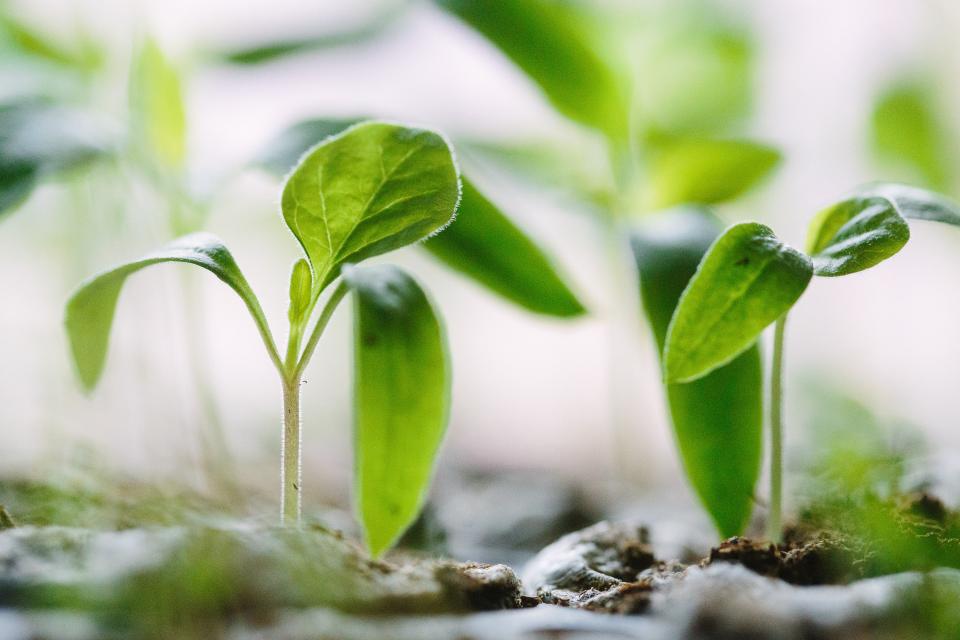
    Organic compost
    24%
    Why compost matters? Food waste is the single most common material sent to US landfills, making up about 24% of what is landfilled, where it rots without oxygen and releases methane, a potent greenhouse gas. Composting turns that same waste into living soil that feeds your garden. Buying finished compost is a great start while you build your own pile. More from the EPA.

    Key benefits of quality compost

    Compost is the single best thing you can add to almost any soil, feeding plants and building structure at the same time. Choosing a well-made, biologically active compost does more than fertilize. Here is what that gets you.

    1. Living soil biology

    Good compost is teeming with beneficial microbes that unlock nutrients and build a healthy soil food web around your plants’ roots.

    2. Better soil structure

    Compost improves both drainage in heavy clay and water retention in sandy soil, so the same amendment helps opposite problems.

    3. Slow, gentle feeding

    It releases a broad range of nutrients slowly, feeding plants steadily without the burn risk of concentrated fertilizers.

    4. Carbon and waste kept in the loop

    Compost returns organic matter and carbon to the soil instead of sending it to a landfill, closing the loop.

    Compost vs synthetic soil conditioners: does it matter?

    Synthetic soil conditioners and chemical fertilizers can feed a plant, but they do not build living soil, and some can suppress the very biology that makes soil fertile over time. Compost does the opposite: it adds organic matter, microbes, and a slow supply of nutrients that improve the soil year after year.

    There is an environmental payoff too. As the EPA notes, food waste is the largest single component of landfilled trash, where it generates methane; composting diverts that material into soil-building material instead. Our scoring weights certification and biological quality alongside real-world results and value, because a compost that is not fully finished can rob nitrogen from your plants instead of feeding them.

    How to choose compost

    • Make sure it is fully finished. Good compost smells earthy and looks uniform and crumbly. Unfinished compost smells sour or ammonia-like and can steal nitrogen from plants.
    • Look for OMRI or organic inputs. OMRI listing, biodynamic, or clearly organic source materials are the strongest quality signals.
    • Know the source. Manure-based, plant-based, marine, and worm-cast composts each have strengths; manure adds fertility, worm castings add concentrated biology.
    • Beware of persistent herbicides. Some manure and hay-based composts have carried aminopyralid-type herbicides that damage vegetables; buy from reputable, tested sources.
    • Match to use. Use rich composts and castings as a booster, and bulkier composts to amend whole beds.

    Who this guide is for

    The best compost depends on your soil and goals. If you want the best all-around living compost, our top pick fits. If you want biodynamic certification, marine-rich nutrition, concentrated worm-cast biology, or the best value bag, we have a pick for each.

    Our top composts at a glance

    Best ChoiceBest Value
    ProductCharlie’s CompostMalibu Bu’s BlendCoast of MaineWiggle WormBlack Kow
    Organic Integrity Score91/ 10086/ 10081/ 10076/ 10071/ 100
    Best forBest overallBiodynamicMarine-richWorm castingsValue
    TypeFarm compostBiodynamic compostLobster compostVermicompostComposted manure
    CertificationOrganic inputsDemeter BiodynamicOMRI ListedOMRI ListedComposted, tested
    PriceCheck priceCheck priceCheck priceCheck priceCheck price

    Scores are ours, based on independent research of source quality, certification, biological activity, and value, using the same 10-criteria method we apply to every product.

    Best overall: Charlie’s Compost

    91/ 100Organic Integrity Score
    Best overall
    Living CompostOrganic InputsMicrobe-Rich
    Check price on Amazon
    Organic Integrity Score91 / 100
    TypeSmall-farm living compost
    InputsFarm manures, hay, straw, clay, natural minerals
    Best forA biologically active all-purpose booster

    Charlie’s Compost is our top pick because it is a genuinely living compost, not just a soil filler. Made on a family farm from natural inputs like poultry manure, hay, straw, and mineral-rich clay, it is prized for a high population of beneficial microbes, and gardeners consistently report dramatic results when they use it as a top-dress or planting booster.

    The trade-off is that it is potent and concentrated, so it is used in modest amounts as an amendment rather than by the bulk cubic yard, and it costs more per bag than basic composted manure. For biological quality, it is our first choice.

    What we liked: A living, microbe-rich compost from natural organic farm inputs, with a strong reputation for visible plant results.

    Keep in mind: It is concentrated and premium-priced, so use it as a booster or top-dress rather than to fill whole beds cheaply.

    What buyers say: Gardeners repeatedly describe noticeably healthier, more productive plants after using it. The main note is the higher price per bag.

    Check price on Amazon

    Best biodynamic: Malibu Compost Bu’s Blend

    86/ 100Organic Integrity Score
    Best biodynamic
    Demeter BiodynamicOrganic Dairy CowMicrobe-Rich
    Check price on Amazon
    Organic Integrity Score86 / 100
    TypeBiodynamic compost
    CertificationDemeter Certified Biodynamic
    Best forGardeners who want the strictest input standard

    Malibu Compost Bu’s Blend is our pick for certified inputs. It is Demeter Certified Biodynamic, made from organic dairy cow manure and biodynamic herbs, which is one of the most rigorous standards in agriculture. It is a rich, microbe-active compost that works as a top-dress or bed amendment.

    It scores just below our top pick mainly on availability and price, but on certification, biodynamic is about as strict as compost gets, it is the standout.

    What we liked: Demeter Certified Biodynamic, organic dairy inputs, and a rich, biologically active compost from a strict standard.

    Keep in mind: It is premium-priced and not as widely stocked, so you may need to order it online.

    What buyers say: Buyers who value biodynamic certification like the quality and results. The main note is cost and finding it locally.

    Check price on Amazon

    Best marine-rich: Coast of Maine Lobster Compost

    81/ 100Organic Integrity Score
    Most nutrient-rich
    OMRI ListedLobster & KelpComposted
    Check price on Amazon
    Organic Integrity Score81 / 100
    TypeLobster and marine compost
    CertificationOMRI Listed
    Best forHeavy feeders and nutrient-hungry beds

    Coast of Maine Lobster Compost is our pick for nutrient density. This OMRI-listed compost blends composted lobster and crab shells with peat and other natural ingredients, giving it a rich supply of calcium and micronutrients that heavy feeders like tomatoes love, along with good structure for beds.

    It scores in the middle mainly on availability outside the Northeast and the inclusion of some peat, but for a nutrient-rich, certified compost to amend vegetable beds, it is excellent.

    What we liked: OMRI-listed, rich in marine calcium and micronutrients, and great structure for amending vegetable beds.

    Keep in mind: It contains some peat, and distribution is strongest in the Northeast, so regional availability and price vary.

    What buyers say: Vegetable gardeners praise the fertility and results with tomatoes and peppers. Some outside the Northeast find it harder to source.

    Check price on Amazon

    Best worm castings: Wiggle Worm

    76/ 100Organic Integrity Score
    Best worm castings
    OMRI ListedPure VermicompostConcentrated
    Check price on Amazon
    Organic Integrity Score76 / 100
    TypePure worm castings (vermicompost)
    CertificationOMRI Listed
    Best forA concentrated biological booster

    Wiggle Worm is our pick for concentrated biology. These OMRI-listed pure worm castings are one of the most microbe- and nutrient-dense amendments you can buy, ideal for mixing into potting soil, side-dressing seedlings, or brewing into a compost tea for a gentle, no-burn boost.

    It scores in the value range not on quality but on scope, since castings are a concentrated booster used in small amounts rather than a bulk compost for filling beds, but as a biological additive it is outstanding.

    What we liked: OMRI-listed pure worm castings, extremely microbe- and nutrient-rich, gentle enough for seedlings, and versatile in mixes and teas.

    Keep in mind: Castings are a concentrated booster, not a bulk bed-filling compost, so use them in small amounts where they count.

    What buyers say: Container and seedling growers love the gentle boost and results. Some are surprised castings are used sparingly rather than by the bag.

    Check price on Amazon

    Best value: Black Kow Composted Manure

    71/ 100Organic Integrity Score
    Best value
    Composted ManureWidely AvailableAffordable
    Check price on Amazon
    Organic Integrity Score71 / 100
    TypeComposted cow manure
    SignalFully composted, widely available
    Best forAmending whole beds affordably

    Black Kow is our value pick and a longtime standard. It is fully composted cow manure, uniform and finished, sold at nearly every garden center and hardware store at a low price, which makes it the practical choice for amending whole beds and improving soil across a large garden.

    It scores at the value end because it is a manure product rather than a certified-organic or biodynamic one, but it is consistent, finished, and affordable, exactly what you want for bulk soil-building.

    What we liked: Fully composted and uniform, widely available, and inexpensive enough to amend whole beds and large gardens.

    Keep in mind: It is a composted-manure product rather than certified organic or biodynamic, so it is a value bulk amendment rather than a premium biological booster.

    What buyers say: A dependable, affordable standby for enriching beds that buyers return to season after season. Some prefer a richer compost as a booster on top.

    Check price on Amazon

    How to use compost well

    For new beds, mix two to three inches of compost into the top few inches of soil. For established beds and containers, top-dress an inch or so once or twice a season and let worms and rain work it in. Use concentrated products like worm castings and Charlie’s Compost as boosters in small amounts, and bulkier composted manure for filling and amending whole beds. Compost is not a complete fertilizer for heavy feeders, so pair it with an organic fertilizer for crops like tomatoes. Starting a home compost pile from kitchen and yard scraps eventually gives you the same benefit for free.

    How we researched this guide

    We are a research-based review site. We did not lab-test these composts ourselves. We compared each against its source inputs, certification (OMRI, Demeter Biodynamic), biological quality, and the weight of aggregated gardener feedback on results, then scored each with our 10-criteria Organic Integrity Score. No brand paid to be included or ranked. Read the full method on our How We Research and Rate page.

    Frequently asked questions

    What is the best compost to buy?

    Our overall pick is Charlie’s Compost, because it is a living, microbe-rich compost made from natural farm inputs with a strong track record of visible plant results. For the best value when amending whole beds, Black Kow composted manure is our pick.

    Is bagged compost organic?

    Compost is not certified the way food is, but the strongest quality signals are OMRI listing, Demeter Biodynamic or organic inputs, and a fully finished product. We flag which composts carry which certification.

    What is the difference between compost and worm castings?

    Compost is decomposed organic matter used to amend soil in fairly large amounts. Worm castings (vermicompost) are a concentrated, microbe-rich product used in small amounts as a booster, in potting mixes, or brewed into compost tea.

    How do I know if compost is finished?

    Finished compost is dark, crumbly, and smells earthy. If it smells sour or like ammonia, or you can still recognize the original materials, it is not finished and can temporarily rob nitrogen from your plants.

    Can compost replace fertilizer?

    Compost feeds plants gently and builds soil, but it is not a concentrated fertilizer. For heavy feeders like tomatoes, use compost to build the soil and add an organic fertilizer for the extra nutrients they need.

    Related reading

    Organic Connection is reader-supported. When you buy through links on this page we may earn a commission, at no extra cost to you. As an Amazon Associate we earn from qualifying purchases. We are not paid to feature or rank any product. How we research and rate.
  • Best Organic Vegetable Seeds (2026): 5 Certified & Heirloom Picks

    Best Organic Vegetable Seeds (2026): 5 Certified & Heirloom Picks

    We may earn a commission when you buy through links on this page, at no extra cost to you. How we research and rate.

    The short version

    After researching the certifications, seed quality, and variety range of the most popular organic seed companies, our top pick is Botanical Interests. It offers a large selection of USDA-certified organic and non-GMO seeds in beautifully detailed packets that teach you how to grow them, which is why it earned our highest Organic Integrity Score of 91 out of 100. For a company that is 100% certified organic, High Mowing Organic Seeds is our pick, and for the widest heirloom variety, Survival Garden Seeds is the best choice.

    Two labels matter here and they are not the same. USDA Certified Organic seed is grown without synthetic chemicals and is always non-GMO. Heirloom and open-pollinated seeds are varieties you can save and replant true to type, though they are not always certified organic. The best gardens often use both. We flag exactly what each company is. Scores below run from our 91-point top pick to the 71-point value option.

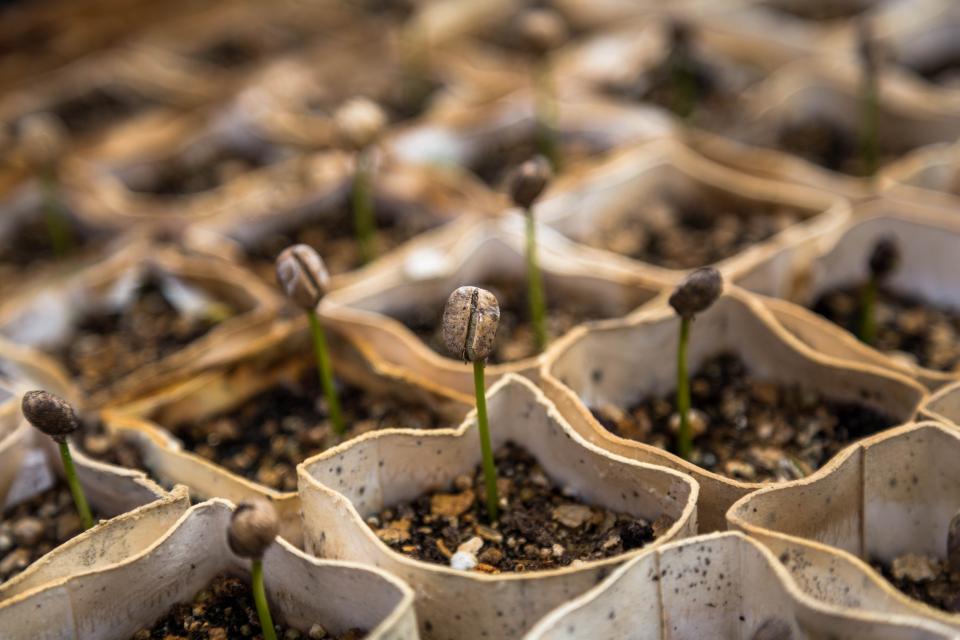
    Organic vegetable seeds
    ~75%
    Why choose organic and heirloom seed? The UN’s Food and Agriculture Organization estimates that about 75% of crop genetic diversity has been lost over the last century, as farming shifted to a handful of uniform commercial varieties. Choosing organic, open-pollinated, and heirloom seeds helps preserve that diversity and lets you save seed year after year. More from the FAO.

    Key benefits of organic and heirloom seeds

    Seeds are where the whole garden starts, so their genetics and how they were grown set the ceiling for everything that follows. Choosing organic and open-pollinated seed gets you more than a clean start. Here is what that gets you.

    1. Grown without synthetic chemicals

    USDA-certified organic seed is produced without synthetic pesticides or fungicides and is never genetically modified.

    2. Seeds you can save

    Open-pollinated and heirloom varieties come true from saved seed, so you can replant year after year for free, unlike hybrids.

    3. Flavor and diversity

    Heirlooms are prized for flavor and unusual colors and shapes that commercial breeding often traded away for shipping durability.

    4. Resilience and local adaptation

    Saving seed from your best plants each year gradually adapts a variety to your own garden and climate.

    Organic vs conventional seed: does it matter?

    Conventional seed is often treated with synthetic fungicides (the colored coating you sometimes see) and may be hybrid or, for a few crops, genetically modified. For a home vegetable garden, starting from untreated organic seed keeps synthetic chemistry out from the very first step, and it is the only way to grow a garden that is organic end to end.

    The bigger picture is genetic diversity. As the FAO documents, the world has lost most of its crop diversity to a few commercial varieties, and home gardeners saving open-pollinated seed are part of how the rest is preserved. Our scoring weights certification and seed integrity alongside real-world germination rates and variety selection, because seed that does not sprout is no bargain.

    How to choose organic seeds

    • Look for the USDA Organic seal on the packet. It confirms the seed itself was grown organically, not just that the plant can be grown organically.
    • Decide organic, heirloom, or both. For seed-saving, choose open-pollinated or heirloom; for the cleanest sourcing, choose certified organic; many packets are both.
    • Check germination and packaging dates. Fresh seed with a recent test date and a high germination rate is worth more than a cheap old packet.
    • Match varieties to your climate. Look for days-to-maturity and zone notes, especially for short-season areas.
    • Value the information. Detailed sowing instructions on the packet save a lot of beginner mistakes.

    Who this guide is for

    The best company depends on what you want to grow. If you want the best all-around organic seeds with great guidance, our top pick fits. If you want a fully certified-organic company, the widest heirloom range, easy availability, or the best budget value, we have a pick for each.

    Our top organic seed companies at a glance

    Best ChoiceBest Value
    CompanyBotanical InterestsHigh MowingSeeds of ChangeSurvival Garden SeedsSow Right Seeds
    Organic Integrity Score91/ 10086/ 10081/ 10076/ 10071/ 100
    Best forBest overall100% organicAvailabilityHeirloom varietyBudget
    Seed typeOrganic & non-GMO100% certified organicCertified organicHeirloom, non-GMOHeirloom, non-GMO
    StrengthDetailed packetsOrganic pledgeWide retail reachLarge variety packsValue multipacks
    PriceCheck priceCheck priceCheck priceCheck priceCheck price

    Scores are ours, based on independent research of certification, seed integrity, germination reputation, and variety, using the same 10-criteria method we apply to every product.

    Best overall: Botanical Interests

    91/ 100Organic Integrity Score
    Best overall
    USDA Organic OptionsNon-GMODetailed Packets
    Check price on Amazon
    Organic Integrity Score91 / 100
    Seed typeMany USDA-certified organic, all non-GMO
    Signature strengthBeautifully detailed, educational packets
    Best forBeginners and all-around vegetable gardens

    Botanical Interests is our top pick because it pairs genuine organic sourcing with the best packets in the business. It carries a large range of USDA-certified organic and non-GMO seeds, and each packet is a small growing guide, with sowing depth, spacing, timing, and even culinary notes printed inside and out. For most gardeners that guidance is worth as much as the seed.

    The trade-off is that not every variety is certified organic (many are, and all are non-GMO), so check the seal on the specific packet you want. For an all-around organic seed source that also teaches you to grow, it is our first choice.

    What we liked: Large USDA-organic and non-GMO range, exceptional educational packets, strong germination reputation, and great for beginners.

    Keep in mind: Not every single variety is certified organic (though all are non-GMO), so look for the USDA seal on the specific packet.

    What buyers say: Gardeners repeatedly praise the packet information and reliable sprouting. A few wish every variety in the catalog were certified organic.

    Check price on Amazon

    Best 100% organic: High Mowing Organic Seeds

    86/ 100Organic Integrity Score
    Best fully organic
    100% USDA OrganicNon-GMO PledgeIndependent
    Check price on Amazon
    Organic Integrity Score86 / 100
    Seed type100% USDA-certified organic
    Signature strengthEvery variety certified organic
    Best forGardeners who want no exceptions

    High Mowing is our pick if you want zero exceptions. This independent Vermont company sells 100% USDA-certified organic seed across its entire catalog, was an early signer of the Safe Seed Pledge against GMOs, and has a strong reputation among market growers for reliable, vigorous varieties.

    It scores just below our top pick mainly on packet detail and mainstream availability, but on pure organic integrity, an entirely certified-organic catalog, it is the strongest company here.

    What we liked: Every variety is USDA-certified organic, a longtime non-GMO pledge, and market-grower-grade quality from an independent company.

    Keep in mind: Packet information is more utilitarian than our top pick, and it is a specialist source rather than a big-box brand.

    What buyers say: Serious and market gardeners trust the fully organic catalog and germination. Some beginners want more hand-holding on the packets.

    Check price on Amazon

    Best availability: Seeds of Change

    81/ 100Organic Integrity Score
    Most available
    Certified OrganicNon-GMOWidely Sold
    Check price on Amazon
    Organic Integrity Score81 / 100
    Seed typeCertified organic, non-GMO
    Signature strengthWide retail and online availability
    Best forGrabbing certified organic seed anywhere

    Seeds of Change is our pick for easy availability. It sells certified organic, non-GMO seed and is carried by many garden centers and big retailers as well as online, so you can pick up genuine organic seed without hunting for a specialist. The variety range covers the popular vegetables and herbs most gardeners want.

    It scores in the middle mainly on the depth of unusual varieties versus the specialists, but for certified organic seed you can find almost anywhere, it is a dependable, accessible choice.

    What we liked: Certified organic and non-GMO, widely available in stores and online, covering all the popular vegetables and herbs.

    Keep in mind: The catalog focuses on popular varieties, so heirloom and rare-variety hunters will want a specialist too.

    What buyers say: Buyers like the convenience of finding certified organic seed at regular stores and report good germination. Some want a broader variety list.

    Check price on Amazon

    Best heirloom variety: Survival Garden Seeds

    76/ 100Organic Integrity Score
    Best heirloom range
    HeirloomNon-GMOOpen-Pollinated
    Check price on Amazon
    Organic Integrity Score76 / 100
    Seed typeHeirloom, open-pollinated, non-GMO
    Signature strengthLarge multi-variety heirloom packs
    Best forSeed savers and variety hunters

    Survival Garden Seeds is our pick for variety and seed-saving. Its heirloom collections bundle dozens of open-pollinated, non-GMO varieties, from tomatoes and peppers to squash and greens, in resealable, long-storage packaging, all of which you can save and replant true to type season after season.

    It scores in the value range on our organic metric specifically because it focuses on heirloom and non-GMO status rather than USDA organic certification, so the seed is not certified organic. For variety, seed-saving, and value, though, it is hard to beat.

    What we liked: Large heirloom, open-pollinated, non-GMO variety packs you can save year to year, in resealable long-storage packaging.

    Keep in mind: The focus is heirloom and non-GMO rather than USDA organic, so the seed is not certified organic; pair it with a certified-organic source if that matters to you.

    What buyers say: Gardeners love the variety and value of the multi-pack collections. Those specifically wanting certified organic pair it with an organic brand.

    Check price on Amazon

    Best budget: Sow Right Seeds

    71/ 100Organic Integrity Score
    Best budget
    HeirloomNon-GMOValue Multipacks
    Check price on Amazon
    Organic Integrity Score71 / 100
    Seed typeHeirloom, non-GMO
    Signature strengthAffordable themed multipacks
    Best forStarting a garden cheaply

    Sow Right Seeds is our budget pick. It sells non-GMO, heirloom seed in affordable, nicely packaged themed collections (salsa gardens, herb kits, tomato variety packs) with clear instructions, and it is easy to buy on Amazon, which makes it a great low-cost way to start a garden.

    It scores at the value end on our organic metric because it emphasizes non-GMO and heirloom rather than USDA organic certification, but for affordable, beginner-friendly, non-GMO seed with good germination, it is a solid entry point.

    What we liked: Affordable non-GMO heirloom seed, well-packaged themed collections, clear instructions, and easy availability.

    Keep in mind: It focuses on non-GMO and heirloom rather than USDA organic certification, so it is not a certified-organic source.

    What buyers say: Beginners love the value multipacks and clear directions and report good sprouting. Certification-focused buyers pair it with an organic source.

    Check price on Amazon

    How to get the best results from seeds

    Buy fresh seed each season for the best germination, and store what you do not use somewhere cool, dark, and dry (a jar in the fridge works well). Sow at the depth and spacing on the packet, since planting too deep is a common cause of poor sprouting. Start heat-loving crops like tomatoes and peppers indoors weeks before your last frost. To save seed, choose open-pollinated or heirloom varieties, let the best fruits fully ripen, and dry the seed thoroughly before storing.

    How we researched this guide

    We are a research-based review site. We did not grow-test every variety ourselves. We compared each company against its certification (USDA organic, Safe Seed Pledge), seed type transparency, germination reputation, and the weight of aggregated gardener feedback, then scored each with our 10-criteria Organic Integrity Score, distinguishing certified organic from non-GMO and heirloom. No brand paid to be included or ranked. Read the full method on our How We Research and Rate page.

    Frequently asked questions

    What is the best organic seed company?

    Our overall pick is Botanical Interests, because it offers a large range of USDA-certified organic and non-GMO seeds in exceptionally detailed, educational packets. For a company that is 100% certified organic, High Mowing Organic Seeds is our pick.

    What is the difference between organic and heirloom seeds?

    USDA-certified organic seed is grown without synthetic chemicals and is always non-GMO, but can be hybrid. Heirloom seed is an old, open-pollinated variety you can save and replant true to type, but it is not always certified organic. Many seeds are both.

    Are organic seeds non-GMO?

    Yes. USDA organic certification prohibits genetically modified organisms, so all certified organic seed is non-GMO by definition. Many non-GMO seeds, however, are not certified organic.

    Can I save seeds from these to replant?

    You can save open-pollinated and heirloom seeds and they will come true to type. Hybrid (F1) seeds will not, so their saved seed produces unpredictable results. Choose open-pollinated or heirloom varieties for seed-saving.

    How long do vegetable seeds last?

    Most vegetable seeds stay viable for two to five years when stored cool, dark, and dry, though germination declines over time. Onions and parsnips are short-lived; tomatoes and many others last longer. Buy fresh for the best results.

    Related reading

    Organic Connection is reader-supported. When you buy through links on this page we may earn a commission, at no extra cost to you. As an Amazon Associate we earn from qualifying purchases. We are not paid to feature or rank any product. How we research and rate.
  • Best Natural Weed Killer (2026): 5 Glyphosate-Free Picks

    Best Natural Weed Killer (2026): 5 Glyphosate-Free Picks

    We may earn a commission when you buy through links on this page, at no extra cost to you. How we research and rate.

    The short version

    After researching the ingredients, certifications, and real-world performance of the most popular natural weed killers, our top pick is Green Gobbler 20% Vinegar Weed Killer. It is OMRI-listed, uses concentrated acetic acid to burn weeds down fast without synthetic herbicides, and is glyphosate-free, which is why it earned our highest Organic Integrity Score of 91 out of 100. For the strongest contact kill, Natural Armor 30% Vinegar is our pick, and for stopping weeds before they sprout, Espoma Organic Weed Preventer is the best choice.

    An honest note on how these work: natural weed killers based on vinegar or salts are contact, non-selective killers. They burn down the green top growth of whatever they touch (including your grass and flowers), and on established perennials the roots often resprout, so you may need to reapply. They are excellent for young weeds, cracks, patios, and driveways, and they are a genuine glyphosate-free alternative, but they are not a one-spray permanent fix. Scores below run from our 91-point top pick to the 71-point value option.

    Garden weeds
    ~280M lbs
    Why choose a natural weed killer? Glyphosate is the most widely used herbicide in history, with roughly 280 million pounds applied in the US each year. Natural weed control skips synthetic herbicides entirely, relying on acetic acid, salts, plant oils, and hand tools instead, which many gardeners prefer around vegetables, children, and pets. More from the USGS.

    Key benefits of a natural weed killer

    Weed killers are used all over the yard, often near food, play areas, and pets, so what is in them matters. Choosing a natural, glyphosate-free option changes what you are spraying around your home. Here is what that gets you.

    1. No synthetic herbicides

    Natural weed killers skip glyphosate and other synthetic herbicides, using acetic acid, salts, and plant oils to burn weeds instead.

    2. Fast visible results

    Contact vinegar killers work quickly, often browning weeds within hours on a warm, sunny day.

    3. Safer around edibles, kids, and pets

    Once dry, natural formulas leave no synthetic herbicide residue, which many families prefer for vegetable gardens and yards.

    4. Good for hardscapes

    They shine on driveways, patios, gravel, and cracks, where you want nothing growing at all.

    Natural vs synthetic weed killer: does it matter?

    Synthetic herbicides like glyphosate are systemic: they are absorbed and translocated to kill the whole plant, roots included, which makes them effective but also means the chemistry lingers in the environment and has drawn ongoing health and regulatory scrutiny. Natural weed killers trade that systemic action for a contact burn that leaves no synthetic residue once dry.

    The trade-off is real and worth stating plainly: natural options usually need reapplication on tough perennials, while a systemic herbicide may not. But for the huge share of weeding that happens near vegetables, patios, and play areas, many gardeners decide the glyphosate-free approach is worth a little extra effort. The USGS documents how heavily synthetic herbicides are used, and our scoring weights certification and ingredient safety alongside honest, real-world effectiveness.

    How to choose a natural weed killer

    • Look for OMRI listing. It verifies the product is allowed in certified organic growing.
    • Know it is non-selective. Vinegar and salt killers harm any green they touch, so spot-spray and shield desirable plants.
    • Match strength to the job. 20% acetic acid handles most young weeds; 30% is for tougher growth. Both are far stronger than kitchen vinegar and need care.
    • Consider a pre-emergent. Corn gluten meal stops seeds from establishing, a different and complementary tool to contact sprays.
    • Handle acids safely. Concentrated acetic acid can irritate skin, eyes, and lungs, so wear gloves and eye protection and avoid breathing the mist.

    Who this guide is for

    The best option depends on the weed and the spot. If you want the best all-around natural spray, our top pick fits. If you want maximum contact strength, a ready-to-use grab-and-spray, a commercial-grade concentrate, or a pre-emergent that prevents weeds, we have a pick for each.

    Our top natural weed killers at a glance

    Best ChoicePrevents Weeds
    ProductGreen Gobbler 20%Natural Armor 30%Doctor KirchnerBioSafe WeedControlEspoma Weed Preventer
    Organic Integrity Score91/ 10086/ 10081/ 10076/ 10071/ 100
    Best forBest overallStrongest killReady to useCommercial-gradePre-emergent
    Active20% acetic acid30% acetic acidVinegar, salt, soapChelated acidsCorn gluten meal
    CertificationOMRI ListedGlyphosate-freeGlyphosate-freeOMRI ListedOrganic, pre-emergent
    PriceCheck priceCheck priceCheck priceCheck priceCheck price

    Scores are ours, based on independent research of certification, ingredient safety, and honest real-world effectiveness, using the same 10-criteria method we apply to every product.

    Best overall: Green Gobbler 20% Vinegar

    91/ 100Organic Integrity Score
    Best overall
    OMRI Listed20% Acetic AcidGlyphosate-Free
    Check price on Amazon
    Organic Integrity Score91 / 100
    Active ingredient20% acetic acid (from corn)
    CertificationOMRI Listed
    Best forDriveways, patios, and young weeds

    Green Gobbler is our top pick because it hits the sweet spot of strength, safety, and availability. The OMRI-listed formula uses 20% acetic acid derived from corn (four times the strength of kitchen vinegar) to brown weeds within hours on a sunny day, with no glyphosate. It is sold widely as both concentrate and ready-to-use.

    The trade-off is inherent to the category: it is non-selective and a contact killer, so it burns anything green and tough perennials can resprout from the roots. For most driveway, patio, and young-weed jobs, it is our first choice.

    What we liked: OMRI-listed, effective 20% acetic acid, glyphosate-free, fast visible results, and easy to find as concentrate or ready-to-use.

    Keep in mind: It is non-selective, so shield desirable plants, and perennials may resprout and need a repeat spray. Wear gloves and eye protection with the concentrate.

    What buyers say: Users love how fast weeds brown on hardscapes and the glyphosate-free formula. The common note is reapplying on deep-rooted perennials.

    Check price on Amazon

    Strongest kill: Natural Armor 30% Vinegar

    86/ 100Organic Integrity Score
    Strongest
    30% Acetic AcidGlyphosate-FreeConcentrated
    Check price on Amazon
    Organic Integrity Score86 / 100
    Active ingredient30% acetic acid
    CertificationGlyphosate-free
    Best forTougher, more established weeds

    Natural Armor is our pick when you need more contact power. Its 30% acetic acid concentrate is stronger than the standard 20% formulas, so it burns down tougher, more established weeds faster, and it is glyphosate-free. It is a favorite for heavily weeded gravel and fence lines.

    It scores just below our top pick because the higher acid strength demands more careful handling and is even more indiscriminate, but for sheer contact strength it is the standout.

    What we liked: Extra-strong 30% acetic acid for tough weeds, glyphosate-free, and cost-effective as a concentrate.

    Keep in mind: At 30% acid it is more caustic, so gloves, eye protection, and care against drift are essential, and it is still non-selective and contact-only.

    What buyers say: Buyers with stubborn gravel and fence-line weeds like the extra strength. The main caution echoed in reviews is careful handling of the stronger acid.

    Check price on Amazon

    Best ready-to-use: Doctor Kirchner

    81/ 100Organic Integrity Score
    Best ready-to-use
    Vinegar & SaltNo MixingGlyphosate-Free
    Check price on Amazon
    Organic Integrity Score81 / 100
    Active ingredientsOcean-water salt, vinegar, soap
    CertificationGlyphosate-free
    Best forGrab-and-spray convenience

    Doctor Kirchner is our pick for no-fuss convenience. This ready-to-use formula combines ocean-water sea salt, commercial-strength vinegar, and a bit of soap as a surfactant, with nothing to mix or dilute. Just attach the sprayer and go, which makes it great for quick spot-weeding.

    It scores in the middle on cost per use versus concentrates and on the same contact-killer limits, but for people who want to skip mixing and measuring, it is the easiest option here.

    What we liked: Truly ready to use, glyphosate-free, effective on young weeds, and pleasant to handle compared with strong acid concentrates.

    Keep in mind: Ready-to-use costs more per weed than concentrates, and the salt content means you should avoid overusing it in garden beds where you will plant.

    What buyers say: Buyers love the grab-and-spray convenience and milder handling. Some note it is best on younger weeds and reapply for large ones.

    Check price on Amazon

    Best commercial-grade: BioSafe WeedControl

    76/ 100Organic Integrity Score
    Commercial-grade
    OMRI ListedFast-ActingConcentrate
    Check price on Amazon
    Organic Integrity Score76 / 100
    Active ingredientsChelated fatty and organic acids
    CertificationOMRI Listed
    Best forLarge areas and professional use

    BioSafe WeedControl is our pick for larger jobs. It is an OMRI-listed concentrate used by professionals and municipalities, based on chelated organic and fatty acids for a fast contact burn, and it is designed to cover bigger areas economically when diluted.

    It scores in the value range for home use mainly because it is sold as a pro concentrate that rewards accurate mixing and a good sprayer, but for treating large areas without synthetic herbicides it is a strong, certified choice.

    What we liked: OMRI-listed, professional-grade, fast-acting, and economical for large areas when diluted.

    Keep in mind: It is a pro concentrate, so you need to mix accurately and use a proper sprayer, and it remains a non-selective contact killer.

    What buyers say: Landscapers and large-property owners like the coverage and speed. Homeowners with small yards sometimes find a ready-to-use spray simpler.

    Check price on Amazon

    Best pre-emergent: Espoma Organic Weed Preventer

    71/ 100Organic Integrity Score
    Best pre-emergent
    Corn Gluten MealPrevents WeedsFeeds Lawn
    Check price on Amazon
    Organic Integrity Score71 / 100
    Active ingredientCorn gluten meal
    TypePre-emergent (stops seeds sprouting)
    Best forPreventing weeds in lawns before they start

    Espoma Organic Weed Preventer is a different, complementary tool: a pre-emergent. Its corn gluten meal stops many weed seeds from establishing roots when applied at the right time in early spring, and as a bonus it adds a little nitrogen to feed the lawn. It prevents rather than kills.

    It scores at the value end here because timing is everything (apply too late and it does nothing) and it will not touch already-growing weeds, but as the organic way to reduce next season’s weeds, it earns its place.

    What we liked: Organic corn gluten pre-emergent that prevents new weeds and lightly feeds the lawn, with no synthetic chemistry.

    Keep in mind: It only prevents seeds from establishing, so it will not kill existing weeds, and correct early-spring timing is essential for it to work.

    What buyers say: Lawn owners who apply it on time report fewer weeds and a greener lawn. Those who apply late see little effect, which matches how pre-emergents work.

    Check price on Amazon

    How to use natural weed killers well

    Spray on a warm, sunny, dry day, since heat and light speed up the burn and rain washes it off. Cover the weed’s leaves thoroughly, and shield nearby plants you want to keep, because these sprays do not discriminate. For perennials with deep roots, expect to reapply as they resprout, or dig the root out after the top dies back. Combine tools for the best results: a pre-emergent in early spring, contact sprays through the season, and hand-pulling or mulching to reduce how much you need to spray at all. Always wear gloves and eye protection with acid concentrates.

    How we researched this guide

    We are a research-based review site. We did not lab-test these products ourselves. We compared each against its OMRI listing or ingredient disclosures, active-ingredient strength, safety profile, and the weight of aggregated user feedback on real-world effectiveness, then scored each with our 10-criteria Organic Integrity Score. We were careful to represent the honest limits of contact weed killers. No brand paid to be included or ranked. Read the full method on our How We Research and Rate page.

    Frequently asked questions

    What is the best natural weed killer?

    Our overall pick is Green Gobbler 20% Vinegar Weed Killer, because it is OMRI-listed, uses effective 20% acetic acid, is glyphosate-free, and works fast on driveways, patios, and young weeds. For the strongest contact kill, Natural Armor 30% is our pick.

    Do natural weed killers kill the roots?

    Usually not on established perennials. Vinegar and salt killers are contact killers that burn the top growth, so deep-rooted perennials often resprout and need reapplication or root removal. They work best on young annual weeds.

    Are vinegar weed killers safe around pets and vegetables?

    Once dry, they leave no synthetic herbicide residue, which is why many families prefer them near vegetables, kids, and pets. Keep pets and people off until the spray has dried, and avoid heavy salt-based sprays in beds you will replant.

    Is natural weed killer as effective as glyphosate?

    Not in the same way. Glyphosate is systemic and kills the whole plant, while natural killers burn the top on contact. For young weeds and hardscapes they work very well; for tough perennials they need repeat applications. Many gardeners accept that trade-off to avoid synthetic herbicides.

    What is a pre-emergent weed preventer?

    A pre-emergent like corn gluten meal stops weed seeds from establishing roots, preventing weeds rather than killing existing ones. Applied at the right time in early spring, it reduces how many weeds you have to deal with later.

    Related reading

    Organic Connection is reader-supported. When you buy through links on this page we may earn a commission, at no extra cost to you. As an Amazon Associate we earn from qualifying purchases. We are not paid to feature or rank any product. How we research and rate.

  • Best Organic Fertilizer (2026): 5 OMRI-Listed Picks

    Best Organic Fertilizer (2026): 5 OMRI-Listed Picks

    We may earn a commission when you buy through links on this page, at no extra cost to you. How we research and rate.

    The short version

    After researching the certifications, ingredients, and performance of the most popular organic fertilizers, our top pick is Dr. Earth All Purpose (5-5-5). It is OMRI-listed, feeds through a rich blend of natural ingredients and beneficial microbes, and works across the whole garden, which is why it earned our highest Organic Integrity Score of 92 out of 100. For the best value at garden centers everywhere, Espoma Plant-tone is our pick, and for a fast-acting liquid feed, Neptune’s Harvest Fish & Seaweed is the best choice.

    The key certification here is OMRI Listed (Organic Materials Review Institute), which verifies a fertilizer is allowed in certified organic growing. We flag which products are OMRI-listed and note their NPK (nitrogen-phosphorus-potassium) numbers. Scores below run from our 92-point top pick to the 72-point value option.

    Organic fertilizer
    5,000+ sq mi
    Why choose an organic fertilizer? Excess synthetic nitrogen and phosphorus washing off farms and lawns feeds a Gulf of Mexico “dead zone” that averages more than 5,000 square miles each summer, an area of water so oxygen-starved that fish cannot live there. Organic fertilizers release nutrients slowly through soil biology, which reduces the runoff that drives this. More from NOAA.

    Key benefits of organic fertilizer

    Fertilizer is how you feed your plants, and how you feed them shapes the soil for seasons to come. Choosing an OMRI-listed organic fertilizer feeds the soil, not just the plant. Here is what that gets you.

    1. Slow, steady release

    Organic fertilizers break down gradually through soil microbes, so plants get consistent feeding without the boom-and-bust of synthetic salts, and far less risk of burning roots.

    2. Feeds the soil biology

    Ingredients like bone meal, kelp, and alfalfa feed earthworms and microbes, building fertile, living soil over time instead of depleting it.

    3. Less runoff and burn

    Because nutrients are released slowly and bound in organic matter, less leaches away into waterways, and there is less risk of over-application damage.

    4. Safe around edibles, kids, and pets

    OMRI-listed fertilizers are made from natural ingredients, which many families prefer for vegetable gardens and yards used by children and pets.

    Organic vs synthetic fertilizer: does it matter?

    Synthetic fertilizers deliver a fast, concentrated hit of nutrients, but that same solubility is why they leach into groundwater and rivers, can burn roots when overapplied, and feed the plant while doing little for the soil. Over years, soils fed only on synthetics tend to lose organic matter and biological life.

    Organic fertilizers work with the soil instead: microbes convert the natural ingredients into plant-available nutrients on demand. The environmental case is concrete, from the NOAA-monitored Gulf dead zone driven by nutrient runoff to the steady decline of soil carbon under intensive synthetic use. Our scoring weights certification and soil-building value alongside real-world results, because a fertilizer that does not actually grow strong plants is not worth using.

    How to choose an organic fertilizer

    • Look for the OMRI seal. It is the verified standard that a fertilizer is allowed in certified organic growing.
    • Read the NPK numbers. Leafy growth wants more nitrogen (the first number); flowers and fruit want more phosphorus and potassium. Match the blend to the crop.
    • Granular vs liquid. Granular feeds slowly over weeks; liquid (like fish emulsion) acts fast and is great for a mid-season boost or seedlings.
    • Check for added microbes. Blends with mycorrhizae or beneficial bacteria help roots take up more of what you apply.
    • Consider the smell. Fish- and manure-based fertilizers can smell strongly; plant-based blends are milder for indoor or patio use.

    Who this guide is for

    The best fertilizer depends on what and how you grow. If you want the best all-around granular feed, our top pick fits. If you want the easiest to find, a fast liquid boost, a value granular, or single-ingredient control over your blend, we have a pick for each.

    Our top organic fertilizers at a glance

    Best ChoiceBest Value
    ProductDr. Earth All PurposeEspoma Plant-toneNeptune’s HarvestJobe’s OrganicsDown to Earth
    Organic Integrity Score92/ 10087/ 10082/ 10077/ 10072/ 100
    Best forBest overallAvailabilityLiquid feedValue granularCustom blends
    CertificationOMRI ListedOMRI ListedOMRI ListedOMRI ListedOMRI Listed
    FormGranularGranularLiquidGranular / spikesGranular, single-source
    PriceCheck priceCheck priceCheck priceCheck priceCheck price

    Scores are ours, based on independent research of certification, ingredient quality, soil-building value, and results, using the same 10-criteria method we apply to every product.

    Best overall: Dr. Earth All Purpose (5-5-5)

    92/ 100Organic Integrity Score
    Best overall
    OMRI ListedBeneficial MicrobesNon-GMO
    Check price on Amazon
    Organic Integrity Score92 / 100
    CertificationOMRI Listed
    NPK5-5-5 balanced
    Best forVegetables, flowers, and general feeding

    Dr. Earth All Purpose is our top pick because it is a complete, balanced feed that also builds soil. The OMRI-listed 5-5-5 blend combines fish bone meal, alfalfa, kelp, and other natural ingredients with the brand’s TruBiotic beneficial microbes and mycorrhizae, and its balanced NPK works across vegetables, flowers, and shrubs.

    The trade-off is that, as a rich organic blend, it can attract curious pets to a freshly fed bed and costs a bit more than basic granulars. For an all-around organic fertilizer that feeds plants and improves soil, it is our first choice.

    What we liked: OMRI-listed, balanced 5-5-5, rich natural ingredients plus beneficial microbes and mycorrhizae, and genuinely all-purpose.

    Keep in mind: The fish and bone ingredients can attract dogs to a freshly fed bed, so work it in well, and it costs more than basic granulars.

    What buyers say: Gardeners report strong, steady growth across many plant types and value the microbe content. A few mention working it into the soil to keep pets from digging.

    Check price on Amazon

    Best value: Espoma Plant-tone

    87/ 100Organic Integrity Score
    Best value
    OMRI ListedBio-tone MicrobesWidely Available
    Check price on Amazon
    Organic Integrity Score87 / 100
    CertificationOMRI Listed
    NPK5-3-3 all-purpose
    Best forAn easy-to-find certified granular at a fair price

    Espoma Plant-tone is our value pick and a classic for good reason. It is OMRI-listed, enhanced with the brand’s Bio-tone beneficial microbes, and sold at practically every garden center and hardware store at a low price. The Espoma “-tone” line also offers crop-specific blends like Tomato-tone and Holly-tone.

    It scores just below our top pick on the richness of its ingredient blend, but as a reliable, widely available certified granular, it is the easiest to buy and the best value.

    What we liked: OMRI-listed, Bio-tone microbes, a whole family of crop-specific blends, and unbeatable availability at a low price.

    Keep in mind: The all-purpose blend is milder than our top pick, so heavy feeders may want a crop-specific “-tone” version.

    What buyers say: A longtime gardener favorite for reliable results and easy availability. Some step up to Tomato-tone or Garden-tone for hungry crops.

    Check price on Amazon

    Best liquid feed: Neptune’s Harvest Fish & Seaweed

    82/ 100Organic Integrity Score
    Best liquid
    OMRI ListedFast-ActingFish & Kelp
    Check price on Amazon
    Organic Integrity Score82 / 100
    CertificationOMRI Listed
    FormLiquid concentrate (dilute and apply)
    Best forFast feeding, seedlings, and foliar spray

    Neptune’s Harvest is our pick for a fast liquid feed. This OMRI-listed fish and seaweed emulsion delivers quickly available nutrients and trace minerals, ideal for giving seedlings, transplants, and mid-season plants a rapid boost, and it can be used as a soil drench or foliar spray.

    It scores in the middle mainly on the strong fish smell and the need to reapply more often than granulars, but for fast, gentle feeding it is one of the best liquids available.

    What we liked: OMRI-listed, fast-acting fish and seaweed nutrients plus trace minerals, versatile as a drench or foliar spray, and gentle on seedlings.

    Keep in mind: It smells strongly of fish when applied (the smell fades), and being liquid it needs reapplying every couple of weeks.

    What buyers say: Growers love the quick green-up on seedlings and containers. The recurring note is the fish odor, which most say dissipates within a day.

    Check price on Amazon

    Best value granular: Jobe’s Organics

    77/ 100Organic Integrity Score
    Value granular
    OMRI ListedBiozome MicrobesSpikes Available
    Check price on Amazon
    Organic Integrity Score77 / 100
    CertificationOMRI Listed
    FormGranular or fertilizer spikes
    Best forAffordable feeding, including trees and shrubs

    Jobe’s Organics is our value granular pick. It is OMRI-listed, includes the brand’s Biozome microbe package to break down nutrients, and comes in both granular bags and convenient pre-measured spikes for trees, shrubs, and container plants, at an affordable price.

    It scores in the value range on ingredient richness versus the leaders, but for an accessible certified granular, and especially for the no-mess spikes, it is a practical everyday option.

    What we liked: OMRI-listed, Biozome microbes, an affordable price, and handy spike formats for trees, shrubs, and pots.

    Keep in mind: The blend is simpler than our top picks, and like all fish- and manure-based organics it can have an earthy smell when first applied.

    What buyers say: Buyers like the price and the convenience of the spikes for shrubs and houseplants. Some prefer a richer granular for vegetable beds.

    Check price on Amazon

    Best for custom blends: Down to Earth

    72/ 100Organic Integrity Score
    Best custom control
    OMRI ListedSingle-SourceCompostable Box
    Check price on Amazon
    Organic Integrity Score72 / 100
    CertificationOMRI Listed (most products)
    FormGranular blends and single ingredients
    Best forGardeners who want to build their own program

    Down to Earth is our pick for gardeners who like control. It offers OMRI-listed all-purpose blends plus a wide range of single-ingredient amendments (blood meal, bone meal, kelp, langbeinite) in compostable boxes, so you can build a fertilizer program tailored to your soil test and crops.

    It scores at the value end here on plug-and-play convenience rather than integrity, since it rewards a bit of knowledge, but for quality ingredients and customization it is a favorite of experienced organic growers.

    What we liked: OMRI-listed quality, a huge range of single ingredients for custom blends, and plastic-free compostable boxes.

    Keep in mind: Getting the most from it rewards knowing your soil and crop needs, so it suits hands-on gardeners more than beginners wanting one bag.

    What buyers say: Experienced gardeners love the ingredient quality and packaging. Beginners sometimes prefer a ready-made all-purpose blend to start.

    Check price on Amazon

    How to use organic fertilizer well

    Work granular fertilizer into the top inch or two of soil and water it in, so microbes can start converting it. Feed at planting and then every four to six weeks for heavy feeders, since organics release slowly. Use a liquid feed like fish emulsion for a fast mid-season boost or for seedlings. A soil test takes the guesswork out of which nutrients you actually need, and prevents over-application, more is not better with fertilizer.

    How we researched this guide

    We are a research-based review site. We did not lab-test these fertilizers ourselves. We compared each against its OMRI listing, ingredient disclosures, NPK values, and the weight of aggregated gardener feedback on results, then scored each with our 10-criteria Organic Integrity Score. No brand paid to be included or ranked. Read the full method on our How We Research and Rate page.

    Frequently asked questions

    What is the best organic fertilizer?

    Our overall pick is Dr. Earth All Purpose (5-5-5), because it is OMRI-listed, feeds through rich natural ingredients and beneficial microbes, and works across the whole garden. For the best value, Espoma Plant-tone is our pick.

    What do the NPK numbers mean?

    NPK stands for nitrogen, phosphorus, and potassium, the three numbers on a fertilizer label. Nitrogen drives leafy growth, phosphorus supports roots and flowers, and potassium supports overall vigor and fruit. Match the ratio to your crop.

    Is organic fertilizer better than synthetic?

    For soil health and reduced runoff, yes. Organic fertilizers release nutrients slowly through soil biology, build organic matter, and are far less likely to burn plants or leach into waterways than fast-dissolving synthetic salts.

    How often should I apply organic fertilizer?

    Because organics release slowly, feed at planting and then every four to six weeks for heavy feeders during the growing season. Liquid feeds act faster and can be applied every couple of weeks for a boost.

    Does organic fertilizer smell bad?

    Fish- and manure-based fertilizers can smell strongly when first applied, though the odor usually fades within a day. Plant-based blends are much milder and better for indoor or patio plants.

    Related reading

    Organic Connection is reader-supported. When you buy through links on this page we may earn a commission, at no extra cost to you. As an Amazon Associate we earn from qualifying purchases. We are not paid to feature or rank any product. How we research and rate.
  • Best Organic Potting Soil (2026): 5 OMRI-Listed Picks

    Best Organic Potting Soil (2026): 5 OMRI-Listed Picks

    We may earn a commission when you buy through links on this page, at no extra cost to you. How we research and rate.

    The short version

    After researching the certifications, ingredients, and performance of the most popular organic potting soils, our top pick is FoxFarm Happy Frog Potting Soil. It is OMRI-listed for organic use, alive with beneficial microbes and mycorrhizae, and pH-adjusted for strong root growth, which is why it earned our highest Organic Integrity Score of 91 out of 100. For the best value at garden centers everywhere, Espoma Organic Potting Mix is our pick, and for the richest compost-based blend, Coast of Maine is the best choice.

    The key certification here is OMRI Listed (Organic Materials Review Institute), which verifies that a product is allowed in certified organic growing. We flag which mixes are OMRI-listed and which simply say “organic.” Scores below run from our 91-point top pick to the 71-point value option.

    Organic potting soil
    Billions
    Why choose an organic mix? A single teaspoon of healthy soil can contain billions of living microorganisms that feed plant roots. Organic potting mixes are built to nurture that living biology with compost, worm castings, and beneficial fungi, rather than relying on synthetic salt fertilizers that provide a quick boost but can build up and stress soil life over time. More from the USDA NRCS.

    Key benefits of organic potting soil

    Potting soil is the entire root environment for a container plant, so what is in it determines how the plant grows. Choosing an OMRI-listed organic mix gets you living, feeding soil. Here is what that gets you.

    1. Living soil biology

    Organic mixes include compost, worm castings, and beneficial microbes and fungi that partner with roots to deliver nutrients naturally.

    2. Slow, steady feeding

    Instead of a synthetic salt spike, organic mixes release nutrients gradually, which is gentler on roots and less prone to burn.

    3. No synthetic pesticide or fertilizer residue

    OMRI-listed mixes are made without synthetic pesticides or prohibited fertilizers, which matters most for edibles you will eat.

    4. Better long-term soil structure

    Organic matter improves water retention and drainage, so containers stay healthier through the season.

    Organic vs conventional potting mix: does it matter?

    Many conventional potting mixes rely on synthetic slow-release fertilizer pellets that feed the plant but not the soil, and some include wetting agents or synthetic additives. For containers you will use to grow vegetables and herbs, that difference reaches your plate.

    An OMRI-listed organic mix feeds through living biology, compost, and natural amendments instead. The USDA NRCS emphasizes that healthy, biologically active soil is the foundation of plant health, and that is exactly what a good organic mix is built to provide. Our scoring weights certification and biology alongside real-world drainage, feeding, and value, because a mix that compacts or drains poorly is not a good mix.

    How to choose an organic potting soil

    • Look for the OMRI seal. “Organic” is loosely used on soil; OMRI Listed is the verified standard for organic growing.
    • Check what feeds it. Favor compost, worm castings, bat guano, kelp, and mycorrhizae over synthetic pellets.
    • Match the mix to the plant. Seed-starting, general potting, and cactus or succulent mixes differ in drainage; buy for your use.
    • Consider peat-free options. Coco coir and compost-based mixes avoid mined peat, which matters to eco-minded gardeners.
    • Mind drainage. Good mixes include perlite or pumice; containers need drainage holes regardless.

    Who this guide is for

    The best mix depends on what you grow. If you want the best all-around living organic soil, our top pick fits. If you want the easiest to find, the richest compost blend, a premium biologically active mix, or a widely available value bag, we have a pick for each.

    Our top organic potting soils at a glance

    Best ChoiceBest Value
    ProductFoxFarm Happy FrogEspoma OrganicCoast of MaineDr. EarthBurpee Organic
    Organic Integrity Score91/ 10086/ 10081/ 10076/ 10071/ 100
    Best forBest overallAvailabilityCompost-richBiologically activeValue bag
    CertificationOMRI ListedOMRI ListedOMRI ListedOMRI ListedOMRI Listed
    Feeds withMicrobes, mycorrhizaeMyco-tone, humusCompost, kelpMicrobes, probioticsCoir, plant food
    PriceCheck priceCheck priceCheck priceCheck priceCheck price

    Scores are ours, based on independent research of certification, ingredient quality, biology, drainage, and value, using the same 10-criteria method we apply to every product.

    Best overall: FoxFarm Happy Frog

    91/ 100Organic Integrity Score
    Best overall
    OMRI ListedMycorrhizaepH-Adjusted
    Check price on Amazon
    Organic Integrity Score91 / 100
    CertificationOMRI Listed
    Feeds withBeneficial microbes, mycorrhizae, humic acid
    Best forContainers, transplants, and vegetables

    FoxFarm Happy Frog is our top pick because it is a genuinely living soil. It is OMRI-listed, inoculated with beneficial soil microbes and mycorrhizal fungi that colonize roots, buffered with humic acid, and pH-adjusted so plants can take up nutrients efficiently. Gardeners consistently report vigorous root growth and healthy transplants.

    The trade-off is that it is a premium bag and, like most quality mixes, it still contains some sphagnum peat, so peat-free purists may prefer a coir-based option. For all-around container growing and edibles, it is our first choice.

    What we liked: OMRI-listed, alive with beneficial microbes and mycorrhizae, pH-adjusted, and a proven performer for roots and transplants.

    Keep in mind: It is priced as a premium mix and contains some peat, so committed peat-free gardeners may want a coir-based alternative.

    What buyers say: Gardeners repeatedly credit it with strong root growth and healthy seedlings. A few note bag-to-bag texture can vary, so fluff it before use.

    Check price on Amazon

    Best value: Espoma Organic Potting Mix

    86/ 100Organic Integrity Score
    Best value
    OMRI ListedMyco-toneWidely Available
    Check price on Amazon
    Organic Integrity Score86 / 100
    CertificationOMRI Listed
    Feeds withMyco-tone mycorrhizae, humus
    Best forAn easy-to-find certified mix at a fair price

    Espoma Organic Potting Mix is our value pick. It is OMRI-listed, enhanced with the brand’s Myco-tone mycorrhizae blend to improve root growth and water uptake, and carried by garden centers and big-box stores almost everywhere at a friendly price.

    It scores just below our top pick on the richness of its biology and consistency, but as a reliable, widely available certified mix, it is the easiest to grab and the best value.

    What we liked: OMRI-listed, Myco-tone mycorrhizae for root and water uptake, widely available, and priced well.

    Keep in mind: It holds a lot of moisture, so ease off watering, and the biology is not quite as rich as our top pick.

    What buyers say: Buyers like the price and easy availability and report healthy container plants. A few in humid climates water less to avoid staying too wet.

    Check price on Amazon

    Best compost-rich blend: Coast of Maine

    81/ 100Organic Integrity Score
    Best compost blend
    OMRI ListedCompost-RichKelp & Lobster
    Check price on Amazon
    Organic Integrity Score81 / 100
    CertificationOMRI Listed
    Feeds withCompost, kelp, lobster and crab meal
    Best forNutrient-dense growing and heavy feeders

    Coast of Maine is our pick for a compost-rich, nutrient-dense mix. Its OMRI-listed blends are built on real compost and marine ingredients like kelp, lobster, and crab meal, which give heavy feeders like tomatoes plenty to work with straight out of the bag.

    It scores in the middle mainly on availability outside the Northeast and price, but for a genuinely rich, biologically active mix, it is a standout, especially for vegetables.

    What we liked: OMRI-listed, compost- and marine-rich, and full of nutrients for heavy feeders right out of the bag.

    Keep in mind: Distribution is strongest in the Northeast, so availability and price vary by region.

    What buyers say: Vegetable gardeners praise the fertility and results with tomatoes and peppers. Some outside the Northeast find it harder to source locally.

    Check price on Amazon

    Best biologically active: Dr. Earth Pot of Gold

    76/ 100Organic Integrity Score
    Most active biology
    OMRI ListedProbioticsNon-GMO
    Check price on Amazon
    Organic Integrity Score76 / 100
    CertificationOMRI Listed
    Feeds withBeneficial microbes, mycorrhizae, probiotics
    Best forGardeners who want maximum soil biology

    Dr. Earth Pot of Gold is our pick for maximum biology. It is OMRI-listed and loaded with the brand’s TruBiotic beneficial microbes, mycorrhizae, and non-GMO ingredients, aimed at building the most active living soil for strong, resilient plants.

    It scores in the value range mainly on price and availability rather than quality, since it is a premium bag that can be harder to find, but for microbe-forward organic growing it is excellent.

    What we liked: OMRI-listed, packed with beneficial microbes, mycorrhizae, and probiotics, with verified non-GMO ingredients.

    Keep in mind: It is a premium-priced mix and can be harder to find in stores than the biggest brands.

    What buyers say: Buyers focused on soil health like the microbe content and plant vigor. Some note the price and spotty local availability.

    Check price on Amazon

    Best value bag: Burpee Organic Premium

    71/ 100Organic Integrity Score
    Best value bag
    OMRI ListedCoconut CoirWidely Available
    Check price on Amazon
    Organic Integrity Score71 / 100
    CertificationOMRI Listed
    Feeds withCoconut coir, plant food, mycorrhizae
    Best forAn affordable, easy-to-find certified bag

    Burpee Organic Premium Potting Mix is the value bag. It is OMRI-listed, uses coconut coir for water retention (a peat-reducing plus), includes a starter charge of organic plant food and mycorrhizae, and is sold at most garden centers and online at a low price.

    It scores at the value end on the depth of its biology and long-season feeding versus the leaders, but for an affordable, certified, widely available mix with coir, it is a dependable everyday choice.

    What we liked: OMRI-listed, uses coconut coir instead of relying only on peat, includes starter plant food and mycorrhizae, and is affordable and easy to find.

    Keep in mind: The included plant food feeds for a limited window, so plan to supplement with organic fertilizer for long-season crops.

    What buyers say: Buyers like the price, coir content, and availability for everyday potting. Heavy-feeder growers add fertilizer later in the season.

    Check price on Amazon

    How to use organic potting soil well

    Fill containers loosely rather than packing the mix down, so roots get air. Always use pots with drainage holes, and water when the top inch feels dry rather than on a fixed schedule. Because organic mixes feed gradually, top up with an organic fertilizer for heavy feeders like tomatoes about midway through the season. At season’s end, spent mix is not wasted: refresh it with compost and reuse it, or add it to garden beds.

    How we researched this guide

    We are a research-based review site. We did not lab-test these soils ourselves. We compared each against its OMRI listing, ingredient disclosures, biological content, and the weight of aggregated gardener feedback on drainage and plant performance, then scored each with our 10-criteria Organic Integrity Score. No brand paid to be included or ranked. Read the full method on our How We Research and Rate page.

    Frequently asked questions

    What is the best organic potting soil?

    Our overall pick is FoxFarm Happy Frog, because it is OMRI-listed, alive with beneficial microbes and mycorrhizae, and pH-adjusted for strong root growth. For the best value at most stores, Espoma Organic Potting Mix is our pick.

    What does OMRI Listed mean?

    OMRI (Organic Materials Review Institute) reviews and lists products that are allowed for use in certified organic growing. On potting soil, the OMRI seal is the verified signal that a mix is genuinely organic, versus a loosely used “organic” label.

    Is organic potting soil better for vegetables?

    For edibles, yes, many gardeners prefer it, because OMRI-listed mixes feed through compost and natural amendments rather than synthetic fertilizers, and support the living soil biology that helps plants take up nutrients.

    Do organic potting mixes contain peat?

    Many do, using sphagnum peat for structure and moisture. If you want to avoid mined peat, look for coco coir or compost-based mixes, which several brands now offer.

    Can I reuse organic potting soil?

    Yes. At season’s end, refresh spent mix with fresh compost and a little organic fertilizer to restore nutrients and biology, or work it into garden beds rather than throwing it away.

    Related reading

    Organic Connection is reader-supported. When you buy through links on this page we may earn a commission, at no extra cost to you. As an Amazon Associate we earn from qualifying purchases. We are not paid to feature or rank any product. How we research and rate.