Last updated: September 22, 2026
We may earn a commission when you buy through links on this page, at no extra cost to you. How we research and rate.
The short version
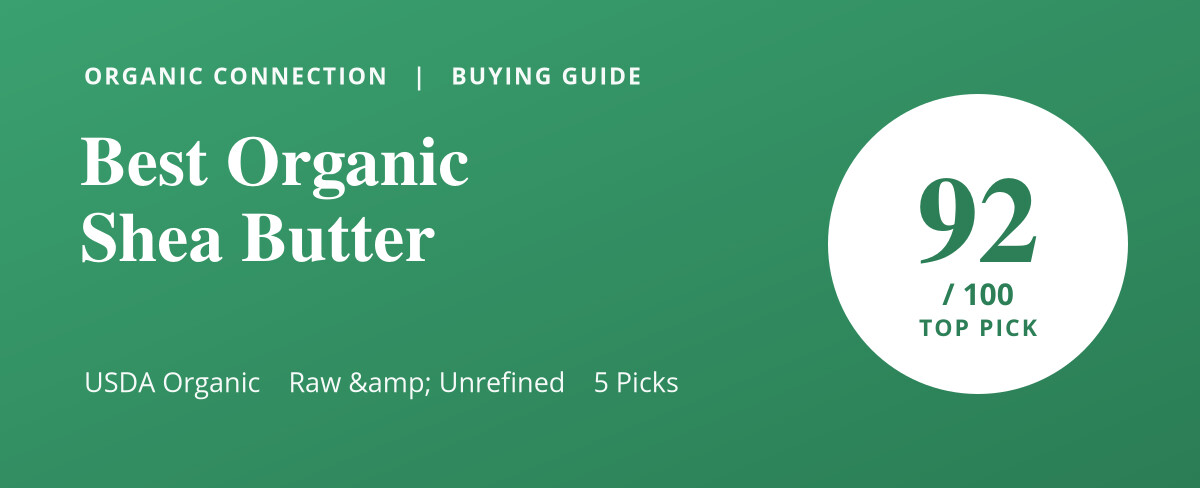
After researching the certifications, refining, and sourcing of the most popular organic shea butters, our top pick is Raw Unrefined Organic Shea Butter, USDA Certified Organic. It is USDA certified organic, raw and unrefined so it keeps the vitamins and fatty acids that refining strips out, and it is a single ingredient with no additives, which is why it earned our highest Organic Integrity Score of 92 out of 100. For a smaller starter size, the era of nature Organic Unrefined jar is our pick, and for the best value in bulk, the Sky Organics 16 oz two-pack is the best choice.
With shea butter, the two things that matter most are whether it is raw and unrefined and whether the organic claim is actually certified. We flag each product’s certification and refining state.
Best organic shea butter compared
| Best Choice | Best Value | ||||
 |  |  |  |  | |
| Product | USDA Certified Raw | era of nature 16 oz | Btefls 7.8 oz | Better Shea Butter Virgin | Certified Organic 16 oz Bars |
| Organic Integrity Score | 92/ 100 | 86/ 100 | 80/ 100 | 79/ 100 | 74/ 100 |
| Our rating | 4.6 | 4.3 | 4.0 | 4.0 | 3.7 |
| Refining | Raw, unrefined | Raw, unrefined | Raw, unrefined | Virgin, unrefined | Raw, unrefined |
| Best for | Best overall | Cooperative-sourced | A small first jar | DIY and body butters | Bulk and soap making |
| Certification | USDA Organic | — | — | — | Certified Organic |
| Price | $22.00$2.75 / ounce View on Amazon | $15.99$1.00 / ounce View on Amazon | $12.99$1.67 / ounce View on Amazon | $23.99$3.00 / fluid ounce View on Amazon | Currently unavailable See buying options |
Price and availability as of October 11, 2026 7:10 pm EDT. Product prices and availability are accurate as of the date/time indicated and are subject to change. Any price and availability information displayed on Amazon.com at the time of purchase will apply to the purchase of this product.
Scores are ours, based on independent research of certification, refining state, ingredient purity, sourcing, and value, using the same 10-criteria method we apply to every product. See how we research and rate.
Key things to look for in organic shea butter
Great shea butter is about certification, refining, purity, and origin. Here is what matters.
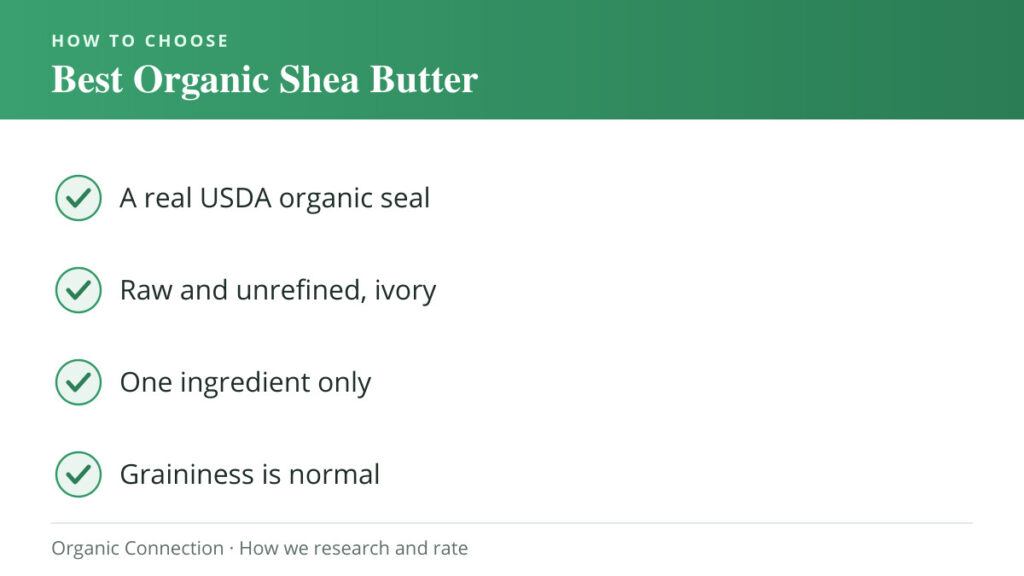
1. A real USDA organic seal
Cosmetics labeling is lightly regulated, so the word “organic” on a jar means little. The certification seal is the signal that counts.
2. Raw and unrefined
Unrefined shea keeps its vitamins A and E and its natural fatty acids. Refined shea is prettier and odorless but nutritionally thinner.
3. One ingredient
Pure shea butter should list Butyrospermum parkii and nothing else. No fragrance, no mineral oil, no added preservatives.
4. West African origin and fair sourcing
Shea is harvested almost entirely by women’s cooperatives in West Africa. Fair trade sourcing and named origin are meaningful signals.
Raw versus refined, and ivory versus yellow
The color confuses almost everyone. Raw, unrefined shea butter is naturally ivory to pale cream, sometimes with a grayish cast, and it smells nutty and faintly smoky from the traditional roasting of the nuts. Bright yellow shea butter is not a different grade: it is usually shea that has been colored, traditionally with borututu root, and while it is not harmful, yellow is a processing choice rather than a quality marker. Stark white, completely odorless shea butter has been refined, bleached, and deodorized. If you are buying shea butter specifically for its vitamin content and skin benefits, ivory and faintly nutty is what you want.
Texture is the other point of confusion. Real unrefined shea often has a slightly grainy or gritty feel, caused by the different fatty acids in it crystallizing at different rates, particularly if the jar has warmed and cooled in transit. This is normal, not spoilage, and it disappears the moment the butter warms on your skin. A perfectly smooth, whipped, cloud-like shea butter has usually either been refined or blended with other oils to stabilize the texture, which is fine as a product but is no longer pure shea. Melt a grainy jar gently and let it cool quickly in the fridge if the texture bothers you, and it will re-set smooth.
How to choose organic shea butter
- Look for the USDA organic seal. The word “organic” alone on a cosmetic label is unregulated.
- Choose raw and unrefined. Ivory color and a faint nutty smell mean the vitamins survived.
- Check the ingredient list. One ingredient: shea butter. Anything else means it is a blend.
- Do not be put off by graininess. It is normal crystallization, not a defect, and it melts away on contact with skin.
- Buy the size you will use. Shea keeps for a year or two, but a 3 lb block is a lot of butter for one person.
Who should buy organic shea butter
Match the jar to the use. Our top pick is the certified organic option to reach for by default. If you want a smaller size to try, the best value in bulk, a virgin shea for DIY work, or a large block for making body butters and soap, we have a pick for each.
Best overall: Raw Unrefined Organic Shea Butter, USDA Certified Organic
| Organic Integrity Score | 92 / 100 |
| Refining | Raw, unrefined, ivory |
| Certification | USDA Organic |
| Best for | Face, body, hair, and dry-skin repair |
Sky Organics is our top pick because it clears the two bars that matter and adds nothing that does not belong. It carries a genuine USDA organic certification rather than an unregulated “organic” claim, and it is raw and unrefined, so the vitamins A and E and the fatty acids that make shea worth using are intact. The ingredient list is one line long. The 15 oz jar is the size most people will actually use over a season of dry skin, and it works everywhere: elbows and heels, dry patches, stretch marks, hair ends, and as a hand balm.
The trade-off is exactly the trade-off of raw shea in general. It is thick and takes a moment to warm and spread, it smells faintly nutty and smoky rather than of nothing, and the texture is sometimes slightly grainy. All three are marks of an unrefined product doing what unrefined products do. Warm a small amount between your palms first, and it goes on smoothly.
What we liked: Genuine USDA organic certification, raw and unrefined so the vitamins survive, one single ingredient, and a size that suits real use.
Keep in mind: Thick texture, faint natural nutty smell, and occasional graininess, all normal for unrefined shea.
What the listing discloses: Better Shea Butter states USDA organic certification and a single-ingredient formula, and does not say where it was grown or made.
Best cooperative-sourced: era of nature Organic Unrefined Raw Shea Butter, 16 oz
| Organic Integrity Score | 86 / 100 |
| Size | 16 oz |
| Grade | Unrefined, raw, ivory white |
| Sourcing | Women’s cooperatives in Ghana, stated |
| Certification | — |
| Best for | Buyers who want to know who processed the shea |
The only shea butter on this page that says who made it. “Ethically sourced from women’s cooperatives in Ghana” is a supply chain statement, and in shea it is a meaningful one — the nuts are traditionally collected and processed by women’s groups across West Africa, and cooperative sourcing is the structure that keeps the value there.
The grade is stated too. Unrefined and ivory white is the raw form, which keeps the nutty smell and the natural color that refining strips out along with some of the vitamin content. If you want shea that smells of nothing, this is not it, and that is the point.
Where it weakens is certification. Organic is claimed but no certifier is named and the regulated USDA phrasing is not used, so the strongest thing on the page is the sourcing rather than the seal.
The rest is beauty copy. “Traditional beauty secret”, “radiant, healthy skin” and “natural skin therapy” are not claims we score.
What we liked: Names cooperative sourcing in Ghana, states the unrefined ivory grade honestly, and is a full 16 oz.
Keep in mind: No certifier and no USDA phrasing behind the organic claim, and a lot of unmeasurable skincare language.
What the listing discloses: era of nature leaves the basics open, including whether the USDA seal applies and where it was grown or made.
Best small jar: Btefls Pure Organic Shea Butter, 7.8 oz
| Organic Integrity Score | 80 / 100 |
| Refining | Raw, unrefined |
| Certification | — |
| Size | 7.8 oz — the smallest jar here |
| Best for | Trying shea butter before committing to a large jar |
This is the smallest and cheapest jar on the page, and that is the whole case for it. Raw, unrefined shea butter is a commitment: it is thick, it smells faintly nutty, and plenty of people discover they prefer a whipped or refined product. At 7.8 oz this is the jar to find that out with, rather than working through a pound of something you do not like.
One thing in the listing gave us pause, and it is the reason this does not score higher. The product is titled Btefls, but the first bullet describes it as “Baisituo Shea Butter” — the listing cannot agree on its own brand name. That is a small thing and it is not evidence of a bad product, but on a page where we are weighing how carefully each seller describes what it is selling, a listing that misnames the item in its own copy tells you something about the attention paid to the rest.
It also claims organic without naming a certifier, which puts it in the same position as most of this category: the word is regulated on food, far less so on cosmetics, and here you are taking it on trust. The picks above that name USDA certification are doing more to earn the claim.
The honest arithmetic on price: the low sticker is not the same as good value. At 7.8 oz this works out dearer per ounce than the 16 oz jars above it. Buy it to try shea, not to stock up.
What we liked: The lowest entry price here and the smallest jar, so it is the cheapest way to find out whether raw shea suits you. Genuinely raw and unrefined.
Keep in mind: No certifier named. The listing calls the product two different brand names. Dearer per ounce than the 16 oz jars despite the lower sticker price.
What the listing discloses: Btefls lists a single-ingredient formula. The gap is whether the USDA seal applies and where it was grown or made.
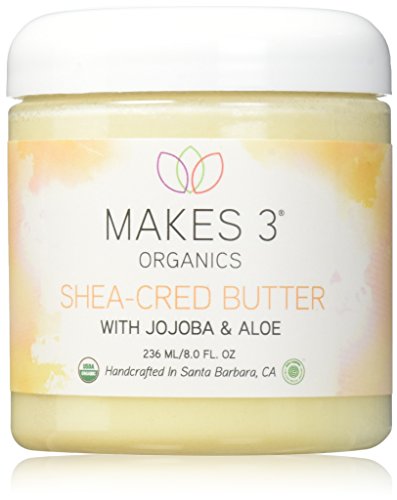
Best for DIY: Better Shea Butter Unrefined Raw Organic Virgin Shea Butter
| Organic Integrity Score | 79 / 100 |
| Refining | Virgin, unrefined, unaltered |
| Certification | — |
| Best for | Making body butters, lip balms, and soap |
This is the pick for people making things. Better Shea Butter is explicit that it does not alter the butter’s fragrance or texture, which is the usual shortcut brands take to make shea more commercially appealing, and the result is a virgin, unaltered butter that behaves predictably when you melt and whip it. For DIY body butters, lip balms, and cold-process soap, an unaltered base is what you want, since you are adding your own oils and scent anyway.
It scores below the Sky Organics jars on our certification-weighted method because the organic claim is not backed by an equally prominent USDA seal, and the sourcing information, while good, is less formally certified. As a raw material it is well regarded; as a certified organic product it is a step less verified.
What we liked: Genuinely unaltered virgin shea with its natural fragrance and texture intact, which is what DIY formulation needs.
Keep in mind: The organic claim is less formally certified than our top picks, and the natural scent is strong in an unaltered butter.
What the listing discloses: Makes 3 Organics states a single-ingredient formula, and does not say whether the USDA seal applies and where it was grown or made.
Best bulk block: Certified Organic Raw Shea Butter, 16 oz Bars
| Organic Integrity Score | 74 / 100 |
| Refining | Raw, unrefined, ivory to tan |
| Certification | Certified Organic |
| Best for | Soap making and large-batch formulation |
Sold as two 8 oz bars in a UV-protective bag, this is a format aimed at people melting shea rather than scooping it. Bars are easier to weigh and cut for a recipe than a jar of soft butter, the UV bag limits light exposure during storage, and the per-ounce price is competitive for certified organic raw shea.
It scores lowest here because the format is the least convenient for ordinary skincare use: you cannot scoop a bar, and the tan color and firm texture mean it needs melting or grating before most uses. Brand and sourcing transparency is also thinner than the named brands above. For DIY and soap it is a sensible buy; as a jar to keep by the bath, it is the wrong shape.
What we liked: Certified organic raw shea in a weighable bar format with UV-protective packaging, at a competitive bulk price.
Keep in mind: Bars must be melted or grated for most uses, and brand sourcing detail is thinner than the named brands.
What the listing discloses: Perfect Body Harmony is thin on detail, and does not say whether the USDA seal applies and where it was grown or made.
How to actually use shea butter
Shea is a heavy occlusive butter, not a lotion, so a very small amount goes a long way. Scoop a pea-sized piece, warm it between your palms until it turns to oil, then press it into damp skin rather than rubbing it on dry skin; applying to damp skin traps the water and is what makes the difference between a greasy film and a genuinely moisturized feel. It is excellent on elbows, knees, heels, hands, and dry patches, and it works well on stretch marks and post-shower legs. On the face it is comedogenic enough to cause problems for oily or acne-prone skin, so keep it to dry areas or skip it there. On hair, a very small amount smoothed through the ends tames frizz; anywhere near the roots and it will look greasy. Shea has a mild natural SPF, roughly in the low single digits, which is not sun protection and should never replace sunscreen. Store it capped in a cool, dark place; it melts above about 90 °F and re-sets grainier, and it keeps for one to two years. If it ever smells sharp or rancid rather than nutty, replace it.
The unsaponifiable fraction: the part that actually does something
Most plant butters are almost entirely triglycerides — fat, and little else. Shea is unusual, and the difference is measurable rather than marketing.
Shea butter contains a relatively high unsaponifiable fraction, around 5–9%, against well under 1% for most common vegetable oils. “Unsaponifiable” means the portion that will not convert to soap under alkali — the non-fat components, including triterpene alcohols, cinnamic acid esters, tocopherols and phytosterols. That fraction is where shea’s reputation for soothing and barrier support comes from, and it is the reason shea behaves differently from, say, cocoa butter.
Keep in mind: this is the single best argument for buying unrefined shea. Refining is what removes it. Refined shea butter has been bleached, deodorized and often solvent-treated to achieve a white color, neutral smell and consistent texture — and those processes strip much of the unsaponifiable fraction along with the odor. What you are left with is a perfectly good emollient fat that no longer has the property that made shea worth choosing. If a shea butter is pure white and smells of nothing, it has been refined, whatever else the label says.
The trade is real and worth stating plainly: unrefined shea smells nutty and slightly smoky, varies in color from off-white to yellowish, and is less consistent batch to batch. That is what unprocessed looks like.
West African shea and nilotica are different butters
| West African (Vitellaria paradoxa) | Nilotica (East African subspecies) | |
| Texture | Firmer, denser, more solid at room temperature | Softer, creamier, spreads easily |
| Oleic acid | Lower | Substantially higher, around 50–65% |
| Melting point | Higher | Lower, roughly 25–30°C — softens at body heat |
| Unsaponifiables | ~5–9% | Reported up to around 12% |
| Smell | Nuttier, smokier | Milder, sweeter |
| Best for | Balms, whipped body butter, DIY where structure matters | Face and anyone who dislikes heavy textures |
Nilotica costs more and is harder to find. If you have tried shea butter and found it greasy, heavy or slow to absorb, nilotica is a more useful thing to try than another West African brand — the higher oleic content genuinely changes how it feels and how quickly it sinks in.
Why shea goes grainy, and how to fix it
Grainy shea butter is the most common complaint about it, and it is not spoilage, contamination or a sign of poor quality. It is crystallization, and the mechanism is straightforward.
Shea contains fatty acids — chiefly stearic and oleic — that solidify at different temperatures. When shea warms and then cools slowly, those fractions separate and the higher-melting ones form large crystals, which is what you feel as grit. Fast crystallization produces many small uniform crystals and a smooth texture; slow crystallization produces fewer, larger crystals and graininess. Temperature cycling in transit or storage is usually the culprit.
The fix, which works reliably:
- Melt it completely in a bain-marie until fully liquid with no solid particles remaining — around 75–80°C. Partial melting is the most common reason attempts fail; any surviving crystals seed new ones.
- Hold it liquid for 15–20 minutes to make sure every crystal has dissolved.
- Cool it fast. Into the freezer for 20–30 minutes, or an ice bath, stirring occasionally. Speed is the whole point.
- Store somewhere with a stable temperature once set. Repeated warming and cooling brings the graininess back.
Grainy shea works exactly as well on skin — it melts on contact — so this is entirely a texture preference. Note also that refined shea rarely goes grainy, which is one legitimate reason manufacturers use it.
Shea butter and nut allergy
Shea comes from the seed of a tree fruit, and it gets classified as a nut, which understandably worries people with tree nut allergies. The evidence here is reassuring rather than equivocal.
- Shea butter contains less than one-thirtieth the protein found in cashews, and less than peanuts. Allergic reactions are driven by proteins, and fat extraction removes nearly all of them.
- Documented reactions to topical shea butter are extremely rare, and the available data indicate shea butter poses no known or likely risk to people with peanut or tree nut allergies.
- The FDA has moved to remove shea nut from its tree nut list for allergen labeling purposes, reflecting that assessment.
- That said — if you have a severe tree nut allergy, patch test on a small area and speak to your allergist rather than taking a website’s word for it. “Extremely rare” is not “never”, and the decision is yours to make with someone who knows your history.
Who it suits, and who it does not
- Excellent for very dry skin, eczema-prone skin, cracked heels, hands, elbows, lips, stretch marks and post-sun skin. It is an occlusive that also has genuine emollient properties.
- Sealing, not hydrating. Shea butter locks moisture in; it does not add any. Apply it to damp skin — within three minutes of a shower — or you are sealing dry skin.
- The face is a mixed case. Shea is only mildly comedogenic, and many people use it on the face without issue, but it is heavy and a proportion of people break out. Try it on the jawline for a week before committing.
- Hair: good for sealing ends and for scalp dryness in small amounts; heavy on fine hair, where it weighs strands down.
- Less is more. The most common mistake is using a large scoop. Warm a pea-sized amount between palms until it liquefies, then apply — undermelted shea sits on skin and feels greasy.
- No SPF. Shea has a small natural UV absorbance sometimes quoted as SPF 3–6, which is nowhere near protective. It is not sunscreen.
Storage and shelf life
- Unrefined shea keeps 12–24 months from production, and refined longer. It does eventually go rancid — the tell is a sharp, crayon-like smell replacing the nutty one.
- Store cool, dark and airtight, at a stable temperature. Stability matters more than coolness for texture.
- Do not refrigerate routinely. It sets rock hard and the temperature swing on removal encourages graininess.
- Keep water out. Shea is anhydrous and needs no preservative, but introducing water — wet fingers, a damp spoon — creates conditions for mold. Use a clean dry scoop.
- Color varies from ivory to yellow depending on region and processing, and some yellow shea is colored with borututu root. Neither shade indicates quality on its own.
- Buy from cooperatives where you can. Shea processing across West Africa is overwhelmingly done by women’s groups, and fair trade certification here supports a supply chain where that income is genuinely significant. It is one of the more meaningful ethical labels in the personal care aisle.
How we researched this guide
We are a research-based review site. We compared each product against its certification (USDA organic where present), refining state, ingredient purity, origin and sourcing transparency, and the weight of aggregated customer feedback on texture, scent, and effectiveness, then scored each with our 10-criteria Organic Integrity Score. No brand paid to be included or ranked. Read the full method on our How We Research and Rate page.
Common questions about organic shea butter
What is the best organic shea butter?
Our overall pick is Raw Unrefined Organic Shea Butter, USDA Certified Organic, which scores highest here at 92, because its listing names USDA organic certification and a single-ingredient formula. For a smaller starter size the 8 oz jar is our pick, and for the best value, the 16 oz two-pack.
What is the difference between raw and refined shea butter?
Raw, unrefined shea is ivory to pale cream, smells faintly nutty and smoky, and retains its natural vitamins A and E and fatty acids. Refined shea has been bleached and deodorized to produce a stark white, odorless butter with a smoother texture, which is more cosmetically appealing but loses a significant share of those compounds.
Is yellow shea butter better than ivory?
No. Raw shea butter is naturally ivory to pale cream. Yellow shea has usually been colored, traditionally with borututu root, so the color is a processing choice rather than a sign of quality. Judge by the certification, the refining state, and the ingredient list instead.
Can I use shea butter on my face?
It depends on your skin. Shea is a heavy occlusive butter and is comedogenic enough to cause congestion on oily or acne-prone skin. On dry or mature skin it works well, particularly on patches rather than all over. If you are prone to breakouts, keep it to your body and use a lighter facial oil instead.
Why is unrefined shea butter better than refined?
Because of the unsaponifiable fraction. Shea contains an unusually high 5 to 9% of non-fat components — triterpene alcohols, cinnamic acid esters, tocopherols and phytosterols — against well under 1% in most vegetable oils, and that fraction is where its soothing and barrier properties come from. Refining bleaches, deodorizes and often solvent-treats the butter, stripping much of it out. If a shea butter is pure white and smells of nothing, it has been refined.
What is nilotica shea butter?
The East African subspecies, and a genuinely different butter. It runs roughly 50 to 65% oleic acid against much less in West African shea, giving a softer, creamier texture, a lower melting point of about 25 to 30°C, and faster absorption. Reported unsaponifiables run up to around 12%. If you have found shea greasy or heavy, nilotica is more useful to try than another West African brand.
Why is my shea butter grainy?
Crystallization, not spoilage. Shea’s stearic and oleic fractions solidify at different temperatures, and when it warms then cools slowly, the higher-melting fractions form large crystals you feel as grit. Fast crystallization gives many small uniform crystals and a smooth texture; slow crystallization gives graininess. Temperature cycling in transit or storage is usually the cause.
How do you fix grainy shea butter?
Melt it completely in a bain-marie until fully liquid with no solid particles, around 75 to 80°C — partial melting is why most attempts fail, since surviving crystals seed new ones. Hold it liquid 15 to 20 minutes, then cool it fast in the freezer for 20 to 30 minutes or an ice bath, stirring occasionally. Then store at a stable temperature. Grainy shea works exactly as well on skin, so this is purely texture.
Is shea butter safe with a tree nut allergy?
The evidence is reassuring. Shea butter contains less than one-thirtieth the protein found in cashews, and reactions are driven by proteins that fat extraction largely removes. Documented reactions to topical shea are extremely rare, and available data indicate no known or likely risk to people with peanut or tree nut allergies — the FDA has moved to remove shea nut from its tree nut labeling list. With a severe allergy, still patch test and speak to your allergist.
Can you use shea butter on your face?
Many people can. Shea is only mildly comedogenic, but it is heavy and a proportion of people break out. Try it on the jawline for a week before committing. Whatever you use it on, apply to damp skin within three minutes of a shower — shea seals moisture in but adds none, so on dry skin you are sealing dryness.
Does shea butter have SPF?
Not usefully. It has a small natural UV absorbance sometimes quoted as SPF 3 to 6, which is nowhere near protective. It is not sunscreen and should not be relied on as one.
How should you store shea butter?
Cool, dark, airtight and at a stable temperature — stability matters more than coolness, since swings cause graininess. Do not refrigerate routinely. Keep water out entirely: shea is anhydrous and needs no preservative, but wet fingers or a damp spoon create conditions for mold. Unrefined shea keeps 12 to 24 months, and rancidity announces itself as a sharp crayon-like smell replacing the nutty one.
- Organic Skincare & Beauty hub
- Best Organic Body Lotion
- Best Organic Jojoba Oil
- How we research and rate products
- our full product index — search by brand, product or certification
Price and availability as of October 11, 2026 7:10 pm EDT. Product prices and availability are accurate as of the date/time indicated and are subject to change. Any price and availability information displayed on Amazon.com at the time of purchase will apply to the purchase of this product.
Looking for other organic products?
We have checked more than 800 products across food, household goods, gardening, personal care and pet, every one against its stated certification. Browse all reviews.
Organic Connection is reader-supported. When you buy through links on this page we may earn a commission, at no extra cost to you. As an Amazon Associate we earn from qualifying purchases. We are not paid to feature or rank any product. How we research and rate.