Category: Superfoods

  • Best Organic Matcha

    Best Organic Matcha

    We may earn a commission when you buy through links on this page, at no extra cost to you. How we research and rate.

    The short version

    After researching the sourcing, grade, and certifications of the most popular organic matcha powders, our top pick is Jade Leaf Organic Ceremonial Grade Matcha. It is USDA organic, first-harvest, single-sourced from Uji and Kagoshima in Japan, and it balances authentic ceremonial quality with a fair price, which is why it earned our highest Organic Integrity Score of 91 out of 100. For a premium ceremonial cup, Encha Organic Ceremonial is our pick, and for the best everyday value in a culinary grade, Jade Leaf Organic Culinary is the best choice.

    The most important choice with matcha is grade: ceremonial grade uses the youngest first-harvest leaves for a smooth, naturally sweet cup you drink on its own, while culinary grade uses later-harvest leaves built to hold flavor in lattes, smoothies, and baking. We flag which grade each pick is, and whether it is USDA (or JAS) organic and Japan-sourced. Scores below run from our 91-point top pick to the 71-point culinary option.
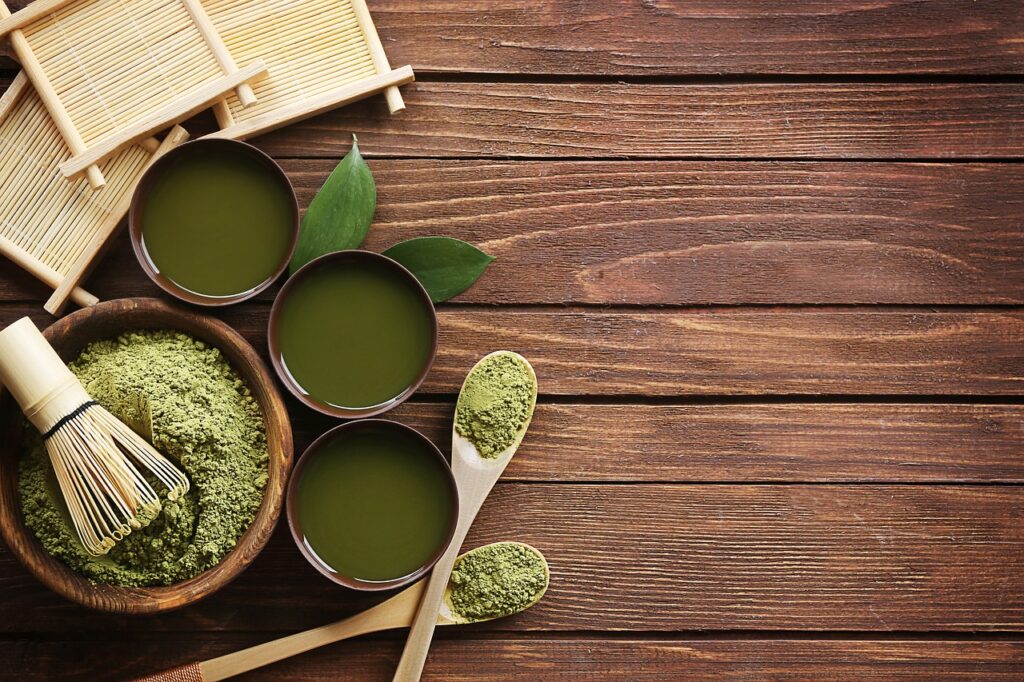
    Organic matcha green tea powder with a bamboo whisk
    Up to 137x
    Why matcha is different. Because you whisk and drink the whole shade-grown leaf rather than steeping and discarding it, matcha is unusually rich in the antioxidant EGCG and the calming amino acid L-theanine. One analysis found matcha’s EGCG concentration was up to 137 times greater than one common bagged green tea. The exact multiple varies by product, but the principle holds: whole-leaf matcha is concentrated. See the research (PubMed).

    Key benefits of organic matcha

    Matcha is finely ground, shade-grown Japanese green tea that you consume whole, which is what gives it its color, its calm-alert lift, and its concentrated antioxidants. Choosing an organic, well-sourced powder matters for both purity and flavor. Here is what people typically look for.

    1. L-theanine and calm energy

    Matcha pairs caffeine with L-theanine, an amino acid that promotes a steady, focused alertness many people describe as calm energy without the coffee jitters or crash.

    2. Whole-leaf antioxidants

    Because you drink the ground leaf, matcha delivers concentrated catechins, especially EGCG, along with chlorophyll that gives high grades their vivid green.

    3. Clean, Japan-sourced growing

    The best matcha is shade-grown and stone-ground in Japan, and USDA or JAS organic certification confirms it was grown without synthetic pesticides.

    4. The right grade

    Ceremonial grade is smooth enough to drink with just water; culinary grade is made to keep its flavor when blended into lattes, smoothies, and baked goods.

    Ceremonial vs culinary matcha: which should you buy?

    Ceremonial grade matcha is made from the youngest, most tender first-harvest leaves, stone-ground to a fine, bright-green powder that is naturally sweet and smooth enough to whisk with just hot water. Culinary grade uses later-harvest leaves and is built to hold its flavor and color when mixed with milk, fruit, or flour, which makes it ideal for lattes, smoothies, and baking, at a lower price. Neither is better in the abstract, they are made for different jobs, so the right pick depends on how you will drink it.

    What separates a great organic matcha from a dull one is genuine Japanese sourcing, first-harvest leaves for the top grades, and stone-grinding, all backed by organic certification for purity. Cheaper powders are often later-harvest, from other regions, or oxidized to a yellow-green with a bitter, hay-like taste. Our scoring rewards authentic sourcing, correct grade labeling, vivid color, and organic certification, not just the price on the tin.

    How to choose an organic matcha

    • Match the grade to the use. Ceremonial for drinking with water, culinary for lattes, smoothies, and baking.
    • Look for USDA or JAS organic and Japan-sourced. First-harvest leaves from Uji, Nishio, or Kagoshima are the benchmark.
    • Check the color. Vivid, bright green signals shade-grown, fresh, high-grade matcha; dull yellow-green suggests lower grade or age.
    • Mind freshness and packaging. Matcha fades with light and air, so favor resealable tins or pouches and use within a few weeks of opening.
    • Taste over marketing. A good matcha is smooth and grassy-sweet, not harshly bitter.

    Who this guide is for

    The best matcha depends on how you drink it. If you want the best all-around organic ceremonial matcha, our top pick fits. If you want a premium ceremonial cup, the best value everyday tin, a smooth latte blend, or a culinary powder for baking and smoothies, we have a pick for each.

    Our top organic matcha powders at a glance

    Best ChoiceBest Value
    ProductJade Leaf CeremonialEncha CeremonialNaoki BlendJade Leaf CulinaryKiss Me Organics
    Organic Integrity Score91/ 10086/ 10081/ 10076/ 10071/ 100
    Our rating
    Best forBest overallPremium ceremonialLattesEveryday valueBaking & smoothies
    GradeCeremonialCeremonialCeremonial blendCulinaryCulinary
    CertificationUSDA OrganicUSDA OrganicJAS OrganicUSDA OrganicUSDA Organic
    PriceCheck priceCheck priceCheck priceCheck priceCheck price

    Scores are ours, based on independent research of sourcing, grade, certification, freshness, and value, using the same 10-criteria method we apply to every product. See how we research and rate.

    Best overall: Jade Leaf Organic Ceremonial Grade Matcha

    91/ 100Organic Integrity Score
    Best overall4.6· our rating
    USDA OrganicFirst HarvestUji & Kagoshima
    Check price on Amazon
    Organic Integrity Score91 / 100
    GradeCeremonial, first harvest
    CertificationUSDA Organic, sourced in Japan
    Best forAn all-around authentic organic matcha

    Jade Leaf is our top pick because it delivers authentic ceremonial quality at a genuinely accessible price. It is USDA organic and first-harvest, single-sourced from partner farms in Uji and Kagoshima, Japan, with the smooth, naturally sweet, vibrant-green cup you want from a ceremonial grade, from what is now the best-selling matcha brand in the US.

    The trade-off is that dedicated connoisseurs may prefer a small-batch single-origin at a higher price. For a trustworthy, organic, genuinely ceremonial matcha that most people will love without overpaying, it is our first choice.

    What we liked: USDA organic, first-harvest ceremonial grade, single-sourced from Japan, smooth and naturally sweet, at a fair price.

    Keep in mind: It is a blend from partner farms rather than a small single-origin lot, which purists chasing a specific terroir may want.

    What buyers say: Buyers repeatedly praise the bright color, smooth taste, and value, calling it their everyday ceremonial matcha. A few very experienced drinkers keep a pricier tin for special occasions.

    Check price on Amazon

    Best premium ceremonial: Encha Organic Ceremonial Matcha

    86/ 100Organic Integrity Score
    Best premium4.3· our rating
    USDA OrganicFirst Harvest UjiThird-Party Tested
    Check price on Amazon
    Organic Integrity Score86 / 100
    GradeCeremonial, first harvest
    CertificationUSDA Organic, from Uji, Japan
    Best forA premium, velvety ceremonial cup

    Encha is our pick for a premium cup. Its ceremonial matcha is first-harvest from certified-organic farms in Uji, shade-grown and stone-ground to a whisper-fine powder that whisks up bright, velvety, and naturally sweet, and it is third-party tested with its antioxidant content published on the tin.

    It scores just below our top pick mainly on price per gram, not quality, which is excellent. For a refined, traceable, premium organic ceremonial matcha, it is a standout.

    What we liked: USDA organic, first-harvest Uji sourcing, ultra-fine stone-ground texture, velvety sweet flavor, and third-party testing.

    Keep in mind: It sits at the premium end on price, so it is more of a treat than an everyday latte base.

    What buyers say: Enthusiasts single out the smoothness and vivid color as worth the price. Casual drinkers sometimes choose a cheaper tin for daily lattes.

    Check price on Amazon

    Best for lattes: Naoki Organic Ceremonial First Spring Blend

    81/ 100Organic Integrity Score
    Best for lattes4.1· our rating
    JAS OrganicFirst HarvestKagoshima
    Check price on Amazon
    Organic Integrity Score81 / 100
    GradeCeremonial blend, first harvest
    CertificationJAS Organic (recognized by USDA)
    Best forRich, mellow matcha lattes

    Naoki is our pick for lattes. Its Organic Ceremonial First Spring Blend is JAS-certified organic, first-harvest from the Kirishima region near Kagoshima, with a mild, mellow profile and notes of raw cacao that stand up beautifully to milk while staying smooth and low in bitterness, and it is ground in small batches for freshness.

    It scores in the middle mostly because it is a blend built for mixing rather than a single-origin sipping matcha, but that is exactly what makes it excellent in a latte.

    What we liked: JAS organic, first-harvest, a mellow cacao-noted profile that shines with milk, and small-batch freshness.

    Keep in mind: It is optimized for lattes, so straight-whisked purists may prefer a dedicated single-origin ceremonial.

    What buyers say: Latte drinkers love how smooth and rich it is with milk. Those who drink matcha straight with water sometimes want a brighter, grassier cup.

    Check price on Amazon

    Best everyday value: Jade Leaf Organic Culinary Matcha

    76/ 100Organic Integrity Score
    Best value3.8· our rating
    USDA OrganicCulinary GradeEveryday
    Check price on Amazon
    Organic Integrity Score76 / 100
    GradeCulinary
    CertificationUSDA Organic, sourced in Japan
    Best forAffordable daily lattes and smoothies

    Jade Leaf Culinary is our value pick. It is a USDA-organic, Japan-sourced culinary matcha built to hold its flavor and color when blended, at a friendly price per serving, which makes it the easy everyday choice for lattes, smoothies, and light baking without spending ceremonial money.

    It scores in the value range because culinary grade is stronger and slightly more astringent than ceremonial, so it is made for mixing rather than sipping with water, but for daily use it is excellent value from a trusted brand.

    What we liked: USDA organic, Japan-sourced, strong flavor that carries through milk and fruit, and an affordable price per serving.

    Keep in mind: As a culinary grade it is more astringent and less sweet than ceremonial, so it is best blended, not whisked with just water.

    What buyers say: Daily latte and smoothie drinkers love the value and reliable color. Those wanting to drink matcha straight step up to a ceremonial tin.

    Check price on Amazon

    Best for baking: Kiss Me Organics Culinary Matcha

    71/ 100Organic Integrity Score
    Best for baking3.6· our rating
    USDA OrganicCulinary GradeLarge Tin
    Check price on Amazon
    Organic Integrity Score71 / 100
    GradeCulinary
    CertificationUSDA Organic, sourced in Japan
    Best forBaking, smoothies, and DIY recipes

    Kiss Me Organics is our pick for the kitchen. This USDA-organic culinary matcha comes in a generous tin at a low cost per serving, with a bold flavor and color made for baking, smoothies, and homemade matcha treats, so you can cook with matcha freely without worrying about the price.

    It scores at the value end because it is a robust culinary grade rather than a delicate ceremonial one, but for adding real matcha flavor and color to recipes, it is a dependable, affordable workhorse.

    What we liked: USDA organic, a large tin at a low cost per serving, and a bold flavor and color that hold up in baking and smoothies.

    Keep in mind: It is a culinary grade meant for recipes and blends, not for whisking and sipping on its own.

    What buyers say: Home bakers and smoothie makers love the value and vivid green. Those wanting a delicate cup to drink straight choose a ceremonial grade.

    Check price on Amazon

    How to prepare matcha well

    For a traditional cup, sift about 1 to 2 teaspoons of matcha into a bowl, add a few ounces of hot water at around 160 to 175°F (not boiling, which scorches it and turns it bitter), and whisk briskly in a zigzag until frothy. For a latte, whisk the matcha into a little hot water first to make a smooth paste, then add steamed milk. Use ceremonial grade when drinking with just water, and culinary grade for lattes, smoothies, and baking. Store the tin sealed away from light, heat, and moisture, and use it within a few weeks of opening for the freshest color and flavor.

    How we researched this guide

    We are a research-based review site. We compared each matcha against its sourcing and region, harvest and grade, organic certification, color and freshness, and the weight of aggregated customer feedback on taste, then scored each with our 10-criteria Organic Integrity Score. No brand paid to be included or ranked. Read the full method on our How We Research and Rate page.

    Frequently asked questions

    What is the best organic matcha?

    Our overall pick is Jade Leaf Organic Ceremonial Grade Matcha, because it is USDA organic, first-harvest, single-sourced from Japan, and smooth and naturally sweet at a fair price. For a premium ceremonial cup, Encha is our pick, and for everyday value, Jade Leaf Culinary.

    What is the difference between ceremonial and culinary matcha?

    Ceremonial grade uses the youngest first-harvest leaves and is smooth and sweet enough to whisk with just water. Culinary grade uses later-harvest leaves and is made to hold its flavor and color in lattes, smoothies, and baking, at a lower price. Choose the grade to match how you will drink it.

    Does organic matcha matter?

    Yes. Because you consume the whole ground leaf rather than steeping and discarding it, any residues stay in your cup, so USDA or JAS organic certification, confirming the tea was grown without synthetic pesticides, is especially meaningful for matcha.

    How much caffeine is in matcha?

    A typical cup of matcha has less caffeine than coffee but more than steeped green tea, and it is paired with L-theanine, which tends to produce a calmer, steadier alertness without the same jittery spike or crash.

    How should I store matcha?

    Keep it in an airtight tin or pouch away from light, heat, air, and moisture, ideally in a cupboard, and use it within a few weeks of opening. Matcha fades and loses flavor quickly once exposed, so buy sizes you will finish reasonably soon.

    Related reading

    Organic Connection is reader-supported. When you buy through links on this page we may earn a commission, at no extra cost to you. As an Amazon Associate we earn from qualifying purchases. We are not paid to feature or rank any product. How we research and rate.
  • Best Organic Chia Seeds

    Best Organic Chia Seeds

    We may earn a commission when you buy through links on this page, at no extra cost to you. How we research and rate.

    The short version

    After researching the sourcing, processing, and certifications of the most popular organic chia seeds, our top pick is Nutiva Organic Black Chia Seeds. They are USDA organic, non-GMO, raw, and sourced from organic farming partners by a trusted superfood brand, which is why they earned our highest Organic Integrity Score of 91 out of 100. For the best everyday value, Viva Naturals Organic Chia is our pick, and for a milder look in recipes, Terrasoul Organic White Chia is the best choice.

    Chia is nutritionally similar whether black or white, so the main choices are whole vs ground, black vs white, and clean organic sourcing with good freshness. We flag each pick’s form and certification. Scores below run from our 91-point top pick to the 71-point everyday option.

    Organic chia seeds
    ~10 g fiber
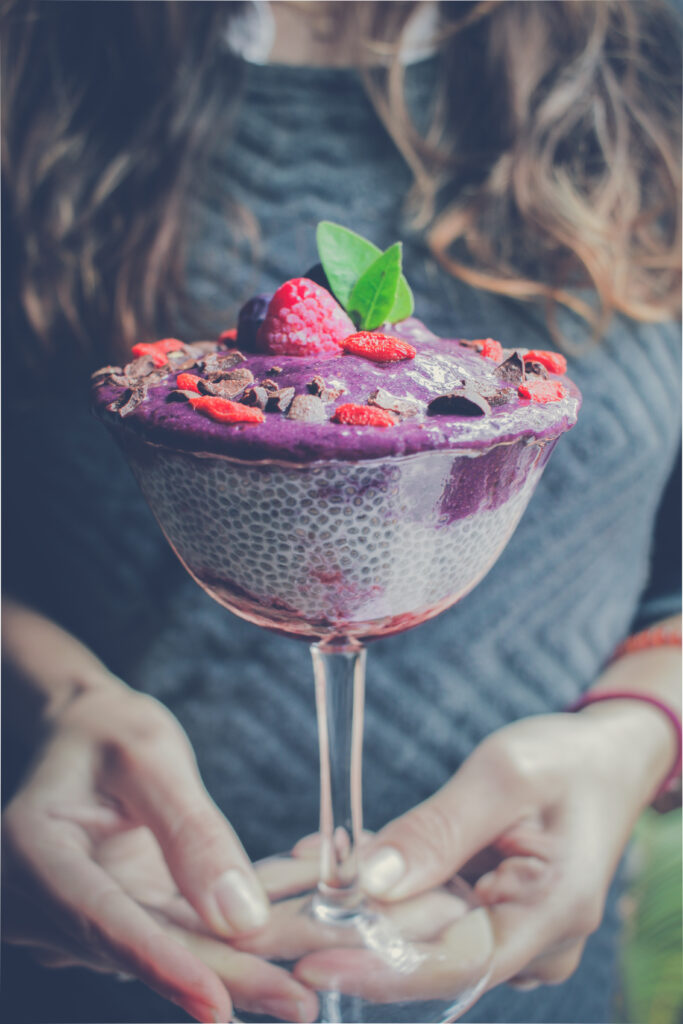
    A tiny seed, big nutrition. Chia seeds are one of the richest plant sources of fiber and omega-3 (ALA), with roughly 10 grams of fiber and around 5 grams of plant protein per ounce, plus calcium, magnesium, and antioxidants. They also absorb up to about 12 times their weight in liquid, forming a gel that thickens puddings and works as a vegan egg substitute. Choosing organic keeps this daily superfood free of synthetic pesticides. See nutrition data (USDA FoodData Central).

    Key things to look for in organic chia seeds

    Good organic chia is about clean sourcing, form, and freshness. Here is what matters.

    1. USDA organic and non-GMO

    Certification confirms the seeds were grown without synthetic pesticides, and the best brands add lab testing for cleanliness.

    2. Whole vs ground

    Whole seeds keep longest and gel well; ground (milled) chia makes the omega-3 and nutrients easier to absorb and blends invisibly into baking.

    3. Black vs white

    Black and white chia are nutritionally almost identical; white simply looks lighter in pale dishes, which some people prefer visually.

    4. Freshness and packaging

    The omega-3 fats can go rancid, so favor resealable bags from brands that test and turn over stock.

    Are organic chia seeds worth it?

    Chia is a true nutritional all-rounder, exceptionally high in fiber and plant-based omega-3, and you typically eat it raw and unwashed, stirred into puddings, smoothies, oatmeal, and baking, so choosing organic to avoid synthetic pesticide residues makes sense for a daily habit. Beyond certification, form matters: whole seeds store longest and create the classic gel, while ground chia makes the omega-3 more absorbable and disappears into recipes. Because those omega-3 fats can oxidize, freshness and good packaging matter too.

    Our scoring rewards genuine organic and non-GMO certification, clean testing, form and freshness, and value, so you get chia that is both certified organic and genuinely fresh and versatile.

    How to choose organic chia seeds

    • Look for USDA organic and non-GMO. Clean growing plus lab testing is ideal.
    • Choose whole or ground. Whole for the longest shelf life and gel, ground for better absorption and invisible baking.
    • Black or white is your preference. Nutrition is nearly identical; white just looks lighter in pale dishes.
    • Buy a size you will use. Larger bags are cheaper per ounce but keep them sealed and cool.
    • Store cool. Keep chia sealed away from heat and light, or refrigerate ground chia, to protect the omega-3 fats.

    Who this guide is for

    The best chia depends on how you use it. If you want the best all-around organic black chia, our top pick fits. If you want the best everyday value, a milder white chia for pale dishes, the best bulk bag, or a great-tasting everyday seed, we have a pick for each.

    Our top organic chia seeds at a glance

    Best ChoiceBest Value
    ProductNutiva BlackViva NaturalsTerrasoul WhiteAnthony’sBetterBody Foods
    Organic Integrity Score91/ 10086/ 10081/ 10076/ 10071/ 100
    Our rating
    Best forBest overallEveryday valueWhite chiaBulk valueEveryday seed
    TypeWhole blackWhole blackWhole whiteWhole black, bulkWhole black
    CertificationUSDA Organic, Non-GMOUSDA Organic, Non-GMOUSDA OrganicUSDA Organic, GFUSDA Organic, Non-GMO
    PriceCheck priceCheck priceCheck priceCheck priceCheck price

    Scores are ours, based on independent research of certification, testing, form, and value, using the same 10-criteria method we apply to every product. See how we research and rate.

    Best overall: Nutiva Organic Black Chia Seeds

    91/ 100Organic Integrity Score
    Best overall4.6· our rating
    USDA OrganicNon-GMORaw
    Check price on Amazon
    Organic Integrity Score91 / 100
    TypeWhole black chia, raw
    CertificationUSDA Organic, Non-GMO
    Best forAn all-around trusted organic chia

    Nutiva is our top pick because it pairs clean organic sourcing with a trusted superfood brand. Its black chia is USDA organic and non-GMO, raw and unrefined, sourced through partnerships with organic farmers, and never processed with hexane or other chemicals, in resealable, BPA-free packaging. It is a rich source of fiber, plant protein, omega-3, and antioxidants.

    The trade-off is a small premium over generic chia. For genuinely organic, clean, do-anything chia from a brand built on superfood quality, it is our first choice.

    What we liked: USDA organic and non-GMO, raw and unrefined, responsibly sourced, and resealable BPA-free packaging.

    Keep in mind: It costs a little more than generic chia, and like all chia should be stored sealed and cool.

    What buyers say: Buyers trust the brand and praise the freshness and quality for puddings and smoothies. A few choose a bulk bag for value.

    Check price on Amazon

    Best value: Viva Naturals Organic Chia Seeds

    86/ 100Organic Integrity Score
    Best value4.3· our rating
    USDA OrganicNon-GMO Verified2 lb Bag
    Check price on Amazon
    Organic Integrity Score86 / 100
    TypeWhole black chia
    CertificationUSDA Organic, Non-GMO Project Verified, Kosher
    Best forGreat quality at an everyday price

    Viva Naturals is our value pick. Its black chia is Non-GMO Project Verified plus certified organic, vegan, gluten-free, kosher, paleo, and keto, delivering omega-3 and plant protein with a neutral flavor that mixes into anything, in a friendly-priced 2-pound bag that buyers repeatedly praise for freshness.

    It scores just below our top pick on brand-sourcing depth rather than quality, which is excellent. For clean, organic chia at a great everyday price, it is hard to beat.

    What we liked: USDA organic and Non-GMO Verified, neutral flavor, a value-priced 2-pound bag, and consistent freshness.

    Keep in mind: The larger bag is best if you use chia regularly, so it does not sit too long.

    What buyers say: Buyers call it fresh and a great value versus other brands. Regular users love the 2-pound size.

    Check price on Amazon

    Best white chia: Terrasoul Organic White Chia Seeds

    81/ 100Organic Integrity Score
    Best white4.1· our rating
    USDA OrganicWhite SeedsLab-Tested
    Check price on Amazon
    Organic Integrity Score81 / 100
    TypeWhole white chia
    CertificationUSDA Organic, lab-tested
    Best forA lighter look in pale dishes

    Terrasoul white chia is our pick when appearance matters. These USDA-organic white chia seeds are a great source of calcium, omega fats, protein, and fiber, nutritionally almost identical to black chia but lighter in color, so they look cleaner in pale puddings, yogurt, and light-colored baking, and they are lab-tested by a specialist superfood brand.

    It scores in the middle only because white chia is a visual preference rather than a nutritional upgrade over black, but for pale recipes where you want the seeds to blend in, it is the right pick.

    What we liked: USDA organic, lab-tested, lighter color for pale dishes, and the same strong nutrition as black chia.

    Keep in mind: White chia is nutritionally almost identical to black, so it is mainly a visual choice.

    What buyers say: Buyers like how tidy the white seeds look in light puddings and yogurt. Others simply prefer cheaper black chia.

    Check price on Amazon

    Best bulk value: Anthony’s Organic Chia Seeds

    76/ 100Organic Integrity Score
    Best bulk value3.8· our rating
    USDA OrganicGluten-Free2.5 lb Bag
    Check price on Amazon
    Organic Integrity Score76 / 100
    TypeWhole black chia, bulk
    CertificationUSDA Organic, Non-GMO, Gluten-Free
    Best forHouseholds that use a lot of chia

    Anthony’s is our bulk-value pick. These USDA-organic, non-GMO, certified gluten-free black chia seeds come in a large 2.5-pound bag with no added ingredients, at a low cost per serving, ideal for daily chia pudding, egg replacement in vegan baking, and thickening smoothies, jams, and soups.

    It scores in the value range because it is a straightforward everyday chia in a big bag rather than a specialty product, but for clean, organic, gluten-free chia in volume, it is excellent value.

    What we liked: USDA organic, certified gluten-free, non-GMO, a large 2.5-pound bag, and a low cost per serving.

    Keep in mind: Store the big bag sealed and cool so the omega-3 fats stay fresh over time.

    What buyers say: Daily chia eaters and bakers love the value and reliability. Some prefer a resealable canister for the large quantity.

    Check price on Amazon

    Best everyday: BetterBody Foods Organic Chia Seeds

    71/ 100Organic Integrity Score
    Best everyday3.6· our rating
    USDA OrganicNon-GMOGreat Taste
    Check price on Amazon
    Organic Integrity Score71 / 100
    TypeWhole black chia
    CertificationUSDA Organic, Non-GMO, Gluten-Free
    Best forA reliable everyday seed

    BetterBody Foods is our everyday pick. These USDA-organic, non-GMO chia seeds are gluten-free, vegan, raw, and low-carb, packing omega-3 and fiber into a neutral-tasting seed that blends, bakes, or shakes into anything, from a widely available brand at a friendly price and in convenient sizes including single-serve packets.

    It scores at the value end because it is a simple, widely available everyday chia rather than a specialty product, but for a dependable, organic, good-tasting seed you can find easily, it is a solid choice.

    What we liked: USDA organic and non-GMO, gluten-free and vegan, neutral flavor, wide availability, and handy sizes including packets.

    Keep in mind: It is a straightforward everyday chia, so specialty buyers may prefer a superfood-focused brand.

    What buyers say: Buyers like the taste, value, and easy availability for daily use. Bulk users step up to a larger bag.

    Check price on Amazon

    How to use chia seeds

    For chia pudding, stir about 3 tablespoons of seeds into 1 cup of milk or a plant alternative, sweeten to taste, and refrigerate for a few hours or overnight until thick. Sprinkle whole seeds over oatmeal, yogurt, salads, and smoothies, or use ground chia in baking for better nutrient absorption. As a vegan egg substitute, mix 1 tablespoon of chia (ideally ground) with 3 tablespoons of water and let it gel for about 5 minutes. Because chia absorbs a lot of liquid, drink water alongside it. Store seeds sealed in a cool, dark place, and keep ground chia in the fridge to protect the omega-3 fats.

    How we researched this guide

    We are a research-based review site. We compared each product against its certification, testing, form and freshness, and the weight of aggregated customer feedback, then scored each with our 10-criteria Organic Integrity Score. No brand paid to be included or ranked. Read the full method on our How We Research and Rate page.

    Frequently asked questions

    What are the best organic chia seeds?

    Our overall pick is Nutiva Organic Black Chia Seeds, because they are USDA organic, non-GMO, raw, and responsibly sourced by a trusted superfood brand. For the best everyday value, Viva Naturals is our pick, and for a lighter look, Terrasoul White Chia.

    Are black and white chia seeds different?

    Nutritionally they are almost identical. The difference is mainly cosmetic: white chia looks lighter in pale dishes like yogurt and light puddings, while black chia is more common and usually cheaper. Choose based on appearance and price.

    Should I use whole or ground chia?

    Whole seeds store longest and create the classic gel for puddings, while ground (milled) chia makes the omega-3 and nutrients easier to absorb and blends invisibly into baking. Many people keep both; store ground chia in the fridge.

    Are chia seeds good for you?

    Yes. Chia is one of the best plant sources of fiber and omega-3 (ALA), with roughly 10 grams of fiber and 5 grams of protein per ounce, plus calcium and magnesium. Drink water with them, since they absorb a lot of liquid.

    How do I store chia seeds?

    Keep whole seeds sealed in a cool, dark place, where they last a long time. Ground chia is best refrigerated, since its exposed omega-3 fats can oxidize faster. A resealable bag helps keep them fresh after opening.

    Related reading

    Organic Connection is reader-supported. When you buy through links on this page we may earn a commission, at no extra cost to you. As an Amazon Associate we earn from qualifying purchases. We are not paid to feature or rank any product. How we research and rate.
  • Best Organic Pumpkin Seeds

    Best Organic Pumpkin Seeds

    We may earn a commission when you buy through links on this page, at no extra cost to you. How we research and rate.

    The short version

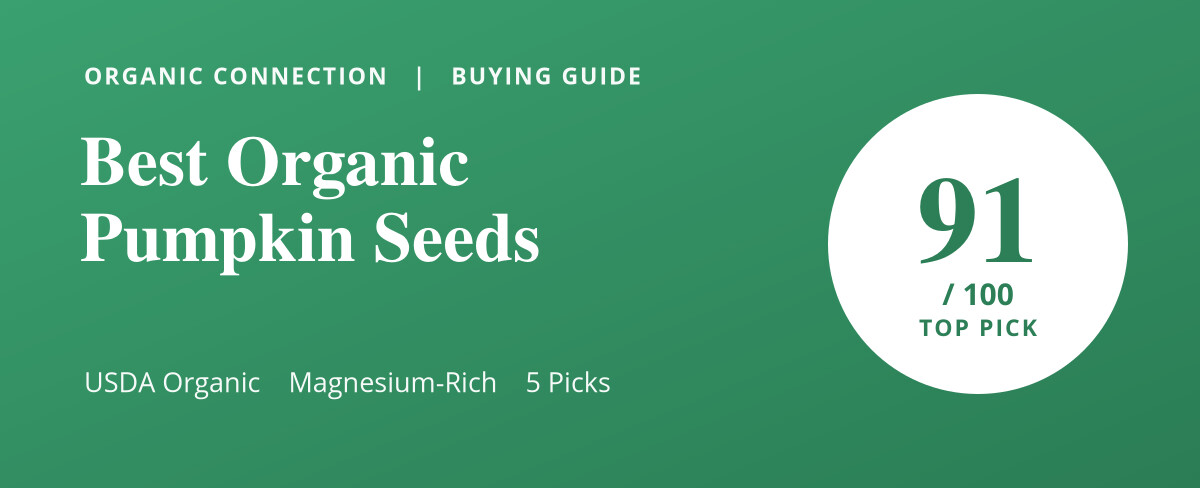
    After researching the sourcing, processing, and certifications of the most popular organic pumpkin seeds, our top pick is Terrasoul Superfoods Organic Pumpkin Seeds. They are USDA organic, raw, unsalted, and lab-tested for quality by a specialist superfood brand, which is why they earned our highest Organic Integrity Score of 91 out of 100. For maximum nutrient availability, the Food to Live Organic Sprouted Pumpkin Seeds are our pick, and for a ready-to-eat snack, Terrasoul Dry-Roasted Salted pepitas are the best choice.

    The main choices with pumpkin seeds (pepitas) are raw vs roasted, shelled vs in-shell, and sprouted vs regular, plus clean organic sourcing. We flag each pick’s form and certification. Scores below run from our 91-point top pick to the 71-point in-shell option.

    ~150 mg magnesium
    A genuine nutrition powerhouse. Pumpkin seeds are one of the best plant sources of magnesium, with roughly 150 mg in a single ounce, around a third of the daily target, along with plenty of zinc, iron, plant protein, and healthy fats. Choosing organic keeps this nutrient-dense snack free of synthetic pesticides. See nutrition data (USDA FoodData Central).

    Key things to look for in organic pumpkin seeds

    Good organic pumpkin seeds are about form and freshness as much as certification. Here is what matters.

    1. USDA organic sourcing

    Organic certification confirms the seeds were grown without synthetic pesticides, and the best brands add lab testing for cleanliness.

    2. Raw vs roasted

    Raw seeds keep the most delicate nutrients and let you season them yourself; dry-roasted salted seeds are ready to snack.

    3. Shelled vs in-shell

    Shelled pepitas (the green kernels) are convenient for salads, smoothies, and snacking; in-shell seeds are great for roasting whole.

    4. Sprouted for digestibility

    Sprouting can make minerals more available and the seeds easier to digest, a nice option for daily eaters.

    Are organic pumpkin seeds worth it?

    Pumpkin seeds are a nutrient-dense whole food, exceptionally rich in magnesium and zinc, and you often eat them raw and unwashed straight from the bag, which is a good reason to choose organic and avoid synthetic pesticide residues. Beyond certification, form matters: raw seeds preserve the most nutrients and flexibility, sprouted seeds are gentler on digestion, and dry-roasted salted pepitas are the easy grab-and-go snack. Freshness is key too, since the healthy fats can go rancid, so lab-tested, well-packaged seeds from a brand that turns over stock quickly are ideal.

    Our scoring rewards genuine organic certification, clean testing, form and freshness, and value, so you get seeds that are both certified organic and genuinely fresh and versatile.

    How to choose organic pumpkin seeds

    • Look for USDA organic and lab testing. Clean growing plus quality testing is the ideal combination.
    • Pick raw or roasted for your use. Raw for cooking and seasoning yourself, dry-roasted salted for snacking.
    • Choose shelled or in-shell. Shelled pepitas for salads and smoothies, in-shell for roasting whole.
    • Consider sprouted. For daily eaters, sprouted seeds can be easier to digest.
    • Store them cool. Keep seeds sealed and, ideally, refrigerated or frozen to keep the healthy fats fresh.

    Who this guide is for

    The best seeds depend on how you eat them. If you want the best all-around organic raw pumpkin seeds, our top pick fits. If you want sprouted seeds for digestibility, a ready-to-eat salted snack, the best bulk value, or whole seeds in the shell for roasting, we have a pick for each.

    Our top organic pumpkin seeds at a glance

    Best ChoiceBest Value
    ProductTerrasoul RawFood to Live SproutedTerrasoul RoastedFood to Live PepitasFood to Live In-Shell
    Organic Integrity Score91/ 10086/ 10081/ 10076/ 10071/ 100
    Our rating
    Best forBest overallDigestibilityReady snackBulk valueRoasting whole
    FormRaw, shelledSprouted, shelledDry-roasted, saltedRaw pepitas, bulkRaw, in-shell
    CertificationUSDA OrganicUSDA OrganicUSDA OrganicUSDA OrganicUSDA Organic
    PriceCheck priceCheck priceCheck priceCheck priceCheck price

    Scores are ours, based on independent research of certification, testing, form, and value, using the same 10-criteria method we apply to every product. See how we research and rate.

    Best overall: Terrasoul Superfoods Organic Pumpkin Seeds

    91/ 100Organic Integrity Score
    Best overall4.6· our rating
    USDA OrganicRaw & UnsaltedLab-Tested
    Check price on Amazon
    Organic Integrity Score91 / 100
    FormRaw, shelled, unsalted
    CertificationUSDA Organic, Non-GMO
    Best forAn all-around versatile organic seed

    Terrasoul is our top pick because it pairs clean organic sourcing with freshness and versatility. These USDA-organic, non-GMO raw pumpkin seeds are shelled and unsalted, lab-tested for quality by a specialist superfood company that imports and tests its own ingredients, so you get fresh, clean pepitas ready for snacking, salads, granola, or smoothies.

    The trade-off is that raw and unsalted means you season them yourself if you want a savory snack. For genuinely organic, fresh, do-anything pumpkin seeds, they are our first choice.

    What we liked: USDA organic and non-GMO, raw and versatile, lab-tested freshness, and a resealable bag.

    Keep in mind: They are raw and unsalted, so you add seasoning or roasting yourself if you want a savory snack.

    What buyers say: Buyers praise the freshness, taste, and versatility. A few prefer a pre-salted, roasted option for grab-and-go.

    Check price on Amazon

    Best for digestibility: Food to Live Organic Sprouted Pumpkin Seeds

    86/ 100Organic Integrity Score
    Most digestible4.3· our rating
    USDA OrganicSproutedRaw Kernels
    Check price on Amazon
    Organic Integrity Score86 / 100
    FormSprouted, shelled, raw
    CertificationUSDA Organic, Non-GMO, Kosher
    Best forEasier digestion and mineral absorption

    Food to Live Sprouted is our pick for digestibility. These USDA-organic, non-GMO pumpkin seed kernels are sprouted, which can make their minerals more available and the seeds gentler on digestion, and they are raw, unsalted, and processed in an organic-certified facility, great over oats, yogurt, and salads.

    It scores just below our top pick mainly on price, not quality; the sprouting is a genuine plus for daily eaters. For clean, sprouted, organic pumpkin seeds, it is our pick.

    What we liked: USDA organic and non-GMO, sprouted for digestibility and mineral availability, raw kernels, and clean processing.

    Keep in mind: Sprouted seeds cost a bit more than standard raw seeds.

    What buyers say: Buyers who find regular seeds heavy appreciate how easy the sprouted ones are to digest. Budget snackers choose standard raw.

    Check price on Amazon

    Best ready snack: Terrasoul Organic Dry-Roasted Salted Pepitas

    81/ 100Organic Integrity Score
    Best snack4.1· our rating
    USDA OrganicDry-RoastedLightly Salted
    Check price on Amazon
    Organic Integrity Score81 / 100
    FormDry-roasted, salted, shelled
    CertificationUSDA Organic, Non-GMO, Vegan
    Best forGrab-and-go snacking

    Terrasoul roasted is our pick for a ready snack. These USDA-organic pepitas are dry-roasted and lightly salted, non-GMO, gluten-free, and keto-friendly, in a resealable bag, so they are ready to eat straight away with a satisfying crunch and savory flavor, no prep needed.

    It scores in the middle because roasting and salting trade a little of the raw-nutrient edge and add sodium, but for a clean, organic, ready-to-eat crunchy snack, it is exactly right.

    What we liked: USDA organic, dry-roasted and lightly salted, satisfying crunch, and a resealable bag for snacking.

    Keep in mind: Roasting and salting add sodium and trade a little of the raw-nutrient advantage.

    What buyers say: Snackers love the flavor and convenience. Those watching sodium or wanting raw nutrition choose unsalted.

    Check price on Amazon

    Best bulk value: Food to Live Organic Raw Pepitas

    76/ 100Organic Integrity Score
    Best bulk value3.8· our rating
    USDA OrganicRaw KernelsBulk
    Check price on Amazon
    Organic Integrity Score76 / 100
    FormRaw pepitas, shelled, bulk
    CertificationUSDA Organic, Non-GMO, Kosher
    Best forHeavy users who want the best price

    Food to Live pepitas are our bulk-value pick. These USDA-organic, non-GMO raw pumpkin seed kernels are unsalted with no oil, sold in larger bulk sizes that give a low cost per serving, ideal for families, batch baking, granola-making, and anyone who eats seeds daily.

    It scores in the value range because it is a straightforward raw kernel in bulk rather than a specialty form, but for clean, organic pepitas at the best price per pound, it is excellent.

    What we liked: USDA organic and non-GMO, raw and unsalted, and a low cost per serving in bulk sizes.

    Keep in mind: Buy a size you will use and store it cool, since larger bags of seeds can go rancid if kept too long.

    What buyers say: Bulk buyers and bakers love the value and freshness. Those wanting small snack packs pick a smaller bag.

    Check price on Amazon

    Best in-shell: Food to Live Organic Pumpkin Seeds in Shell

    71/ 100Organic Integrity Score
    Best in-shell3.6· our rating
    USDA OrganicIn-ShellGreat for Roasting
    Check price on Amazon
    Organic Integrity Score71 / 100
    FormRaw, in-shell (whole)
    CertificationUSDA Organic, Non-GMO, Vegan
    Best forRoasting whole seeds at home

    Food to Live in-shell is our pick for roasting whole. These USDA-organic, non-GMO whole pumpkin seeds come dried, unsalted, and unroasted in the shell, perfect for tossing with oil and seasoning and roasting at home for a fresh, crunchy, fall-favorite snack with extra fiber from the shell.

    It scores at the value end because in-shell seeds take some prep and the fibrous shell is not to everyone’s taste, but for the classic roast-your-own experience with organic seeds, it is the right choice.

    What we liked: USDA organic and non-GMO, whole in-shell seeds ideal for home roasting, and extra fiber from the shell.

    Keep in mind: They need roasting and seasoning at home, and the fibrous shell is not for everyone.

    What buyers say: Buyers love roasting them fresh in fall. Those wanting a no-prep snack pick shelled pepitas.

    Check price on Amazon

    How to enjoy pumpkin seeds

    Shelled pepitas are ready to sprinkle over salads, yogurt, oatmeal, and smoothie bowls, or to fold into granola, trail mix, and baking. To roast in-shell seeds, toss them with a little olive oil and salt and bake at around 300°F for 20 to 40 minutes until golden and crunchy, stirring occasionally. Because the healthy fats in seeds can go rancid, store them sealed in a cool, dark place, or in the fridge or freezer for longer freshness. A small handful is a nutrient-dense, magnesium- and zinc-rich snack.

    How we researched this guide

    We are a research-based review site. We compared each product against its certification, testing, form and freshness, and the weight of aggregated customer feedback, then scored each with our 10-criteria Organic Integrity Score. No brand paid to be included or ranked. Read the full method on our How We Research and Rate page.

    Frequently asked questions

    What are the best organic pumpkin seeds?

    Our overall pick is Terrasoul Superfoods Organic Pumpkin Seeds, because they are USDA organic, raw, unsalted, lab-tested, and versatile. For digestibility, Food to Live Sprouted is our pick, and for a ready snack, Terrasoul Dry-Roasted Salted.

    Are pumpkin seeds healthy?

    Yes. Pumpkin seeds are nutrient-dense, especially rich in magnesium (around 150 mg per ounce) and zinc, plus plant protein, iron, and healthy fats. A small handful is a nourishing snack; roasted salted versions add sodium.

    Raw or roasted pumpkin seeds, which is better?

    Raw seeds keep the most delicate nutrients and let you season them yourself, while dry-roasted salted seeds are ready to eat with more crunch and flavor. Both can be part of a healthy diet; choose based on convenience and sodium preference.

    What are pepitas?

    Pepitas are the shelled green kernels of pumpkin seeds, without the white outer shell. They are convenient for salads, smoothies, and snacking, while in-shell seeds are better for roasting whole.

    How should I store pumpkin seeds?

    Keep them sealed in a cool, dark place, or refrigerate or freeze them for longer freshness, since the healthy fats can go rancid over time. A resealable bag helps keep them fresh after opening.

    Related reading

    Organic Connection is reader-supported. When you buy through links on this page we may earn a commission, at no extra cost to you. As an Amazon Associate we earn from qualifying purchases. We are not paid to feature or rank any product. How we research and rate.