Category: Herbal Supplements

  • Best Organic Ashwagandha Supplements

    Best Organic Ashwagandha Supplements

    We may earn a commission when you buy through links on this page, at no extra cost to you. How we research and rate.

    Health note: This guide is general information, not medical advice. Supplements are not intended to diagnose, treat, cure, or prevent any disease. Talk to your doctor or pharmacist before starting any supplement, especially if you are pregnant, nursing, taking medication (ashwagandha can interact with thyroid, sedative, and immunosuppressant medications), or managing a health condition.

    The short version

    After researching the certifications, formulations, and testing of the most popular organic ashwagandha supplements, our top pick is Organic India Ashwagandha. It uses USDA-certified-organic whole ashwagandha root (not a synthetic extract), is vegan and non-GMO, and comes from a brand with a transparent regenerative-farming story, which is why it earned our highest Organic Integrity Score of 91 out of 100. For a clinically studied liquid-extract capsule, Gaia Herbs Ashwagandha Root is our pick, and for the best value in a USDA-organic caplet, Himalaya Organic Ashwagandha is the best choice.

    Two things separate a good ashwagandha from a weak one: genuine organic root sourcing, and an honest label about what form you are getting (whole root versus a standardized extract like KSM-66, and whether an absorption aid such as black pepper is included). We flag which products are USDA organic, which use whole root versus extract, and which add black pepper. Scores below run from our 91-point top pick to the 71-point value powder.
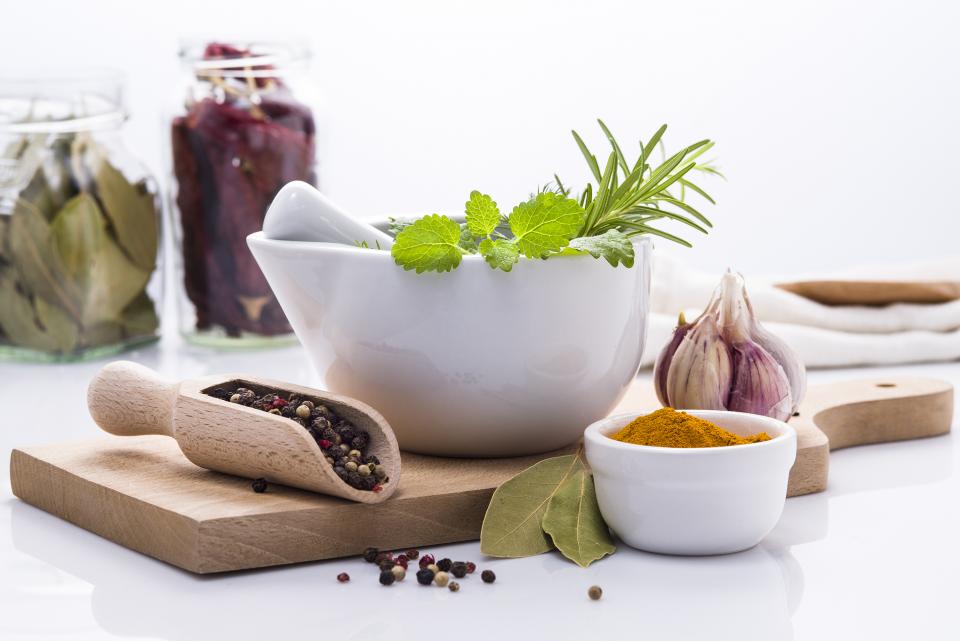
    Organic ashwagandha root and herbal powder
    Lower cortisol
    Why people take it. Ashwagandha is an adaptogen studied mainly for stress. In one often-cited 60-day controlled trial, a concentrated ashwagandha root extract significantly reduced participants’ serum cortisol (a key stress hormone) compared with placebo. Results vary by person and dose, and it is not a cure for anxiety. See the research (PubMed).

    Key benefits of organic ashwagandha

    Ashwagandha (Withania somnifera) is one of the most valued herbs in Ayurveda, traditionally used to support resilience to stress. Choosing an organic, well-made supplement matters for both purity and effect. Here is what people typically look for.

    1. Adaptogenic stress support

    Ashwagandha is classed as an adaptogen, a herb studied for helping the body cope with stress. Research has focused on its effect on cortisol and perceived stress.

    2. Clean, organic root sourcing

    Ashwagandha is a root crop, and roots can take up what is in the soil, so USDA-organic, tested sourcing matters for purity.

    3. Whole root vs standardized extract

    Whole-root products keep the herb’s full profile the traditional way; standardized extracts (such as KSM-66 or a concentrated root extract) deliver a measured level of withanolides, the active compounds.

    4. Third-party testing

    Because supplements are not pre-approved by the FDA, independent testing for potency and contaminants is a key quality signal.

    Organic vs conventional ashwagandha: does it matter?

    Ashwagandha is a root, and roots can concentrate heavy metals and residues from the soil they grow in, so contaminant testing and organic growing genuinely matter here. USDA-organic certification confirms the root was grown without synthetic pesticides, and pairing that with third-party testing is the best guard against the adulteration and heavy-metal issues that have historically been flagged in the wider herbal-supplement market.

    Because the FDA does not review supplements for safety or effectiveness before they are sold, that independent verification is the consumer’s main protection. On top of purity, the form decides what you actually get: a whole-root powder delivers the traditional herb, while a standardized extract guarantees a set level of withanolides. Our scoring weights certification and testing alongside honest labeling of form and dose, not just the milligrams on the front of the bottle.

    How to choose an organic ashwagandha supplement

    • Look for USDA organic. It confirms the root was grown without synthetic pesticides, which matters for a root crop.
    • Decide whole root vs extract. Whole root is the traditional form; a standardized extract (KSM-66 or a concentrated root extract) guarantees a set withanolide level.
    • Check the withanolide content. Standardized extracts list a percentage of withanolides, the active compounds; whole-root powders usually do not.
    • Look for black pepper if you want absorption support. Some formulas add black pepper (piperine) to aid uptake.
    • Check interactions. Ashwagandha can affect thyroid hormones, act as a sedative, and stimulate the immune system, so confirm with your doctor first.

    Who this guide is for

    The best product depends on your goals. If you want the best all-around organic whole-root ashwagandha, our top pick fits. If you want a clinically studied liquid extract, a USDA-organic value caplet, a high-potency capsule with black pepper, or an organic culinary powder for smoothies, we have a pick for each. Always clear a new supplement with your healthcare provider.

    Our top organic ashwagandha supplements at a glance

    Best ChoiceBest Value
    ProductOrganic IndiaGaia HerbsHimalayaNutriRiseTerrasoul Powder
    Organic Integrity Score91/ 10086/ 10081/ 10076/ 10071/ 100
    Our rating
    Best forBest overallClinically studied extractValue capletHigh potency + pepperCulinary powder
    CertificationUSDA OrganicMade with organic rootUSDA OrganicOrganic root, testedUSDA Organic
    FormWhole root, capsulesLiquid extract capsulesRoot + extract capletRoot powder + black pepperGround root powder
    PriceCheck priceCheck priceCheck priceCheck priceCheck price

    Scores are ours, based on independent research of certification, testing transparency, form and dosing honesty, and value, using the same 10-criteria method we apply to every product. See how we research and rate.

    Best overall: Organic India Ashwagandha

    91/ 100Organic Integrity Score
    Best overall4.6· our rating
    USDA OrganicWhole RootVegan, Non-GMO
    Check price on Amazon
    Organic Integrity Score91 / 100
    CertificationUSDA Organic
    FormWhole ashwagandha root, vegetarian capsules
    Best forAn all-around trusted organic ashwagandha

    Organic India is our top pick because it combines clean organic sourcing with the traditional whole-root form. The ashwagandha is USDA Organic, vegan, and non-GMO, made by grinding whole roots rather than isolating an extract, and the company grows its herbs through regenerative farming partnerships in India with a transparent farm-to-bottle story.

    The trade-off is that a whole-root product does not list a guaranteed withanolide percentage the way a standardized extract does, so if you specifically want a measured KSM-66 dose, look to a labeled extract instead. For a trustworthy, genuinely organic whole-root ashwagandha, it is our first choice.

    What we liked: USDA Organic, whole-root traditional form, vegan and non-GMO, with a transparent regenerative-farming and sourcing story.

    Keep in mind: As a whole-root product it does not guarantee a standardized withanolide percentage, so it is a traditional-form pick rather than a measured-extract one.

    What buyers say: Long-term users value the clean sourcing and gentle, whole-herb feel. Those wanting a clinically studied extract dose sometimes choose a KSM-66 product instead.

    Check price on Amazon

    Best clinically studied extract: Gaia Herbs Ashwagandha Root

    86/ 100Organic Integrity Score
    Best extract4.3· our rating
    Made with Organic RootLiquid Phyto-CapTested (Meet Your Herbs)
    Check price on Amazon
    Organic Integrity Score86 / 100
    CertificationMade with organic ashwagandha root
    FormConcentrated liquid extract in vegan capsules
    Best forAn absorbable, well-tested extract

    Gaia Herbs is our pick for a well-tested extract. It uses ashwagandha root grown organically in India, delivered as a concentrated liquid extract inside a fast-dissolving vegan Liquid Phyto-Cap, and Gaia’s “Meet Your Herbs” program lets you look up the testing for your specific bottle by lot number, a level of traceability few supplement brands offer.

    It scores just below our top pick because the extract is described as made with organic root rather than carrying a full USDA-organic seal on the finished product, but on testing transparency and absorbable form, it is one of the most trustworthy options.

    What we liked: Concentrated liquid extract for absorption, made with organic root, vegan, and lot-level testing through the Meet Your Herbs program.

    Keep in mind: It is labeled as made with organic root rather than a fully USDA-organic finished product, and it is priced as a premium herbal supplement.

    What buyers say: Buyers value the transparency and the easy-to-absorb liquid capsule. Some prefer a plain whole-root powder at a lower cost per serving.

    Check price on Amazon

    Best value: Himalaya Organic Ashwagandha

    81/ 100Organic Integrity Score
    Best value4.1· our rating
    USDA OrganicRoot + ExtractNo Additives
    Check price on Amazon
    Organic Integrity Score81 / 100
    CertificationUSDA Organic
    FormAshwagandha root powder plus root extract, caplet
    Best forAn affordable, additive-free daily caplet

    Himalaya is our value pick. Its clinically studied caplet blends USDA-organic ashwagandha root powder with a root extract, is free of additives, binders, and fillers, and is vegan, non-GMO, and gluten-free, all at a lower cost per day than the premium herbal brands, which makes it an easy affordable entry into a daily ashwagandha.

    It scores in the middle because the label focuses on the blend rather than a guaranteed withanolide percentage, but for a clean, USDA-organic, no-additive caplet at a fair price, it is excellent value.

    What we liked: USDA Organic, a clinically studied root-plus-extract blend, no additives or fillers, and an affordable price per day.

    Keep in mind: The label emphasizes the blend rather than a specific standardized withanolide level, so it is a value pick rather than a high-potency extract.

    What buyers say: Buyers like the clean formula and the price for daily use. Those wanting a very high, measured dose choose a standardized extract.

    Check price on Amazon

    Best high potency: NutriRise Organic Ashwagandha with Black Pepper

    76/ 100Organic Integrity Score
    Best high potency3.8· our rating
    Organic RootBlack PepperThird-Party Tested
    Check price on Amazon
    Organic Integrity Score76 / 100
    CertificationOrganic ashwagandha root, third-party tested
    FormHigh-milligram root powder capsule with black pepper
    Best forA high daily dose with absorption support

    NutriRise is our pick for a high-potency capsule. It pairs a large per-serving dose of organic ashwagandha root with organic black pepper to support absorption, is third-party tested, and is made in a GMP-certified facility, which makes it a strong choice if you want a bigger dose in fewer capsules.

    It scores in the value range because it leans on total milligrams and black pepper rather than a clinically standardized extract like KSM-66, but for a high-dose organic root with an absorption aid and testing, it delivers.

    What we liked: High per-serving dose of organic root, black pepper for absorption, third-party tested, and made in a GMP-certified facility.

    Keep in mind: It emphasizes total milligrams rather than a standardized withanolide level, so more milligrams does not automatically mean more active compound.

    What buyers say: Buyers like the strong dose and the added black pepper. Those who prefer a clinically studied standardized extract look to a KSM-66 product.

    Check price on Amazon

    Best culinary powder: Terrasoul Organic Ashwagandha

    71/ 100Organic Integrity Score
    Best powder3.6· our rating
    USDA OrganicCulinaryLab-Tested
    Check price on Amazon
    Organic Integrity Score71 / 100
    CertificationUSDA Organic
    FormGround ashwagandha root powder
    Best forSmoothies, tonics, and DIY dosing

    Terrasoul is our pick for those who prefer food over capsules. This USDA-organic ground ashwagandha root powder is lab-tested for quality and made for smoothies, golden milk, and herbal tonics, letting you add the herb to your routine the traditional way at a low cost per serving. Terrasoul imports, tests, and packages its ingredients directly rather than using co-packers.

    It scores at the value end because the taste is earthy and bitter and the dosing is up to you, but for an organic, whole-food way to use ashwagandha daily, it is excellent value.

    What we liked: USDA Organic, lab-tested, versatile in smoothies and tonics, whole-food form, and very affordable per serving.

    Keep in mind: The flavor is earthy and bitter and works best blended with a sweetener, and measuring a consistent dose is up to you.

    What buyers say: Buyers who like tonics and smoothies love the value and freshness. Those wanting a measured, tasteless dose choose a capsule.

    Check price on Amazon

    How to take ashwagandha well

    Most people take ashwagandha once or twice daily, often with a meal, and many prefer an evening dose because of its calming reputation. Whole-root powders and capsules are traditional; standardized extracts guarantee a set withanolide level if you want a measured dose. Follow the amount on the label rather than assuming more is better. Importantly, ashwagandha can affect thyroid hormone levels, add to the effect of sedatives, and stimulate the immune system, so it may not suit people with thyroid conditions, autoimmune conditions, or those taking sedative or immunosuppressant medication, and it is generally not recommended in pregnancy. Talk to your doctor or pharmacist before starting, especially if you take medication.

    How we researched this guide

    We are a research-based review site. We did not lab-test these supplements ourselves, and we do not make medical claims. We compared each against its certification, testing transparency, form and dosing honesty, and the weight of aggregated customer feedback, then scored each with our 10-criteria Organic Integrity Score. No brand paid to be included or ranked. Read the full method on our How We Research and Rate page.

    Frequently asked questions

    What is the best organic ashwagandha supplement?

    Our overall pick is Organic India Ashwagandha, because it is USDA Organic, uses the traditional whole root, is vegan and non-GMO, and comes from a brand with a transparent regenerative-farming story. For a clinically studied liquid extract, Gaia Herbs is our pick. Always check with your doctor first.

    Whole root or KSM-66 extract, which is better?

    Neither is simply better. Whole-root products deliver the traditional herb and are often USDA organic, while standardized extracts such as KSM-66 guarantee a set percentage of withanolides, the active compounds, which is useful if you want a measured, clinically studied dose.

    Is it safe to take ashwagandha every day?

    Many people take ashwagandha daily at label doses, but it can affect thyroid hormones, act as a sedative, and stimulate the immune system, so it may not suit everyone. It is generally not advised in pregnancy. Talk to your doctor or pharmacist before daily use, especially if you take medication or have a thyroid or autoimmune condition.

    Does organic ashwagandha matter?

    Yes, because ashwagandha is a root that can concentrate heavy metals and residues from the soil, and the wider herbal-supplement market has been flagged for adulteration. USDA-organic certification plus third-party testing helps ensure purity.

    When should I take ashwagandha?

    It can be taken any time of day with food, but many people take it in the evening because of its calming reputation, or split it between morning and night. Consistency over several weeks matters more than the exact time.

    Related reading

    Organic Connection is reader-supported. When you buy through links on this page we may earn a commission, at no extra cost to you. As an Amazon Associate we earn from qualifying purchases. We are not paid to feature or rank any product. How we research and rate.
  • Best Organic Elderberry Syrup

    Best Organic Elderberry Syrup

    We may earn a commission when you buy through links on this page, at no extra cost to you. How we research and rate.

    Health note: This guide is general information, not medical advice. Supplements are not intended to diagnose, treat, cure, or prevent any disease. Talk to your doctor or pharmacist before starting any supplement, especially if you are pregnant, nursing, have an autoimmune condition, take immune-related medication, or are giving it to a child. Only ever use commercially prepared elderberry, as raw or unripe elderberries, bark, and leaves are toxic.

    The short version

    After researching the certifications, sourcing, and formulas of the most popular organic elderberry syrups, our top pick is Gaia Herbs Black Elderberry Syrup. It is USDA Certified Organic, super-concentrated from organic black elderberries (Sambucus nigra), and backed by the brand’s transparent testing, which is why it earned our highest Organic Integrity Score of 91 out of 100. For a sugar-free USDA-organic option, MaryRuth Organics is our pick, and for the best value in a traditional syrup, Nature’s Way Sambucus Organic is the best choice.

    Two things separate a good elderberry syrup from a weak one: genuine organic Sambucus nigra sourcing at a real concentration, and honest labeling of what else is in the bottle, sugar, honey, or added vitamin C and zinc. We flag which products are USDA organic, which are sugar-free, and which add honey or immune extras. Scores below run from our 91-point top pick to the 71-point kids option.

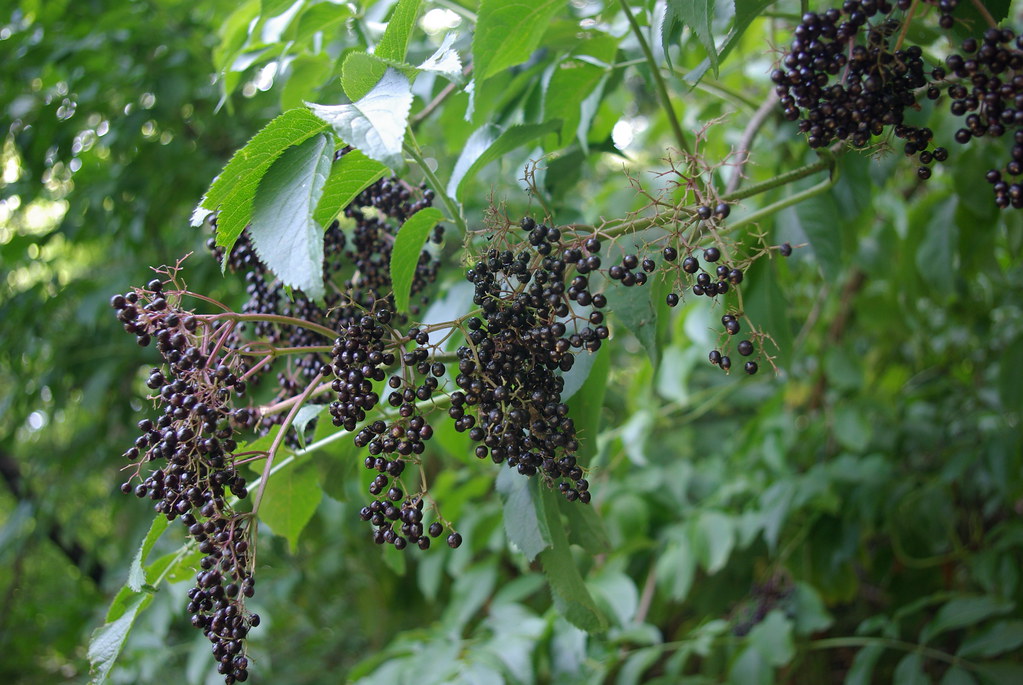
    Ripe black elderberries (Sambucus nigra) on the branch
    Immune support
    What the research suggests. Black elderberry (Sambucus nigra) is one of the more studied immune herbs. A 2019 meta-analysis of randomized trials concluded that elderberry supplementation substantially reduced upper-respiratory symptoms, though researchers called for larger studies. It is a supportive supplement, not a cure or a substitute for vaccines or medical care. See the research (PubMed).

    Key benefits of organic elderberry

    Elderberry syrup is a traditional immune-season staple made from the dark berries of the European black elder. Choosing an organic, well-made syrup matters for both purity and potency. Here is what people typically look for.

    1. Antioxidant anthocyanins

    Black elderberries are rich in anthocyanins and flavonoids, the antioxidant compounds most associated with elderberry’s traditional immune-support use.

    2. Clean, organic berry sourcing

    Berries can carry residues from the soil and spraying, so USDA-organic Sambucus nigra, grown without synthetic pesticides, matters for a product you take during cold season.

    3. Honest sweeteners

    Syrups vary widely: some are sugar-free, some use organic honey or cane syrup for taste and tradition, which matters for kids, diabetics, and daily use.

    4. Concentration and testing

    A meaningful dose of real elderberry per serving, plus third-party or in-house testing, separates a potent syrup from a watered-down one.

    Organic vs conventional elderberry: does it matter?

    Elderberry is a berry crop, and berries can concentrate pesticide residues, so USDA-organic certification, confirming the Sambucus nigra was grown without synthetic pesticides, is genuinely meaningful for a syrup you may take daily through the winter. On top of purity, concentration matters: the best syrups state how much berry or extract is in each serving rather than leaning on a long list of added sweeteners.

    Because the FDA does not review supplements for safety or effectiveness before sale, third-party or transparent in-house testing is the consumer’s main assurance of what is really in the bottle. Our scoring weights organic certification and sourcing alongside honest concentration and sweetener labeling, not just flavor. And it is worth repeating: only ever use commercially prepared elderberry products, because raw or unripe elderberries and the plant’s bark and leaves are toxic.

    How to choose an organic elderberry syrup

    • Look for USDA organic Sambucus nigra. It confirms the berries were grown without synthetic pesticides.
    • Check the sweetener. Decide whether you want sugar-free, organic honey, or a lightly sweetened syrup, and note that honey is not for infants under one year.
    • Check the concentration. Favor syrups that state the amount of elderberry or extract per serving.
    • Match it to who is taking it. Kid-specific formulas use gentler doses and flavors; adult formulas are more concentrated.
    • Confirm testing. Prefer brands with third-party or transparent in-house testing.

    Who this guide is for

    The best syrup depends on your needs. If you want the best all-around USDA-organic elderberry syrup, our top pick fits. If you want a sugar-free option, the best traditional value, a whole-food syrup with honey and apple cider vinegar, or a gentle formula for kids, we have a pick for each. Always clear a new supplement with your healthcare provider.

    Our top organic elderberry syrups at a glance

    Best ChoiceBest Value
    ProductGaia HerbsMaryRuth OrganicsNature’s Way SambucusZand HerbalsNature’s Answer Kids
    Organic Integrity Score91/ 10086/ 10081/ 10076/ 10071/ 100
    Our rating
    Best forBest overallSugar-freeTraditional valueHoney & ACV blendKids
    CertificationUSDA OrganicUSDA OrganicOrganic extractOrganic elderberryCertified Organic
    SweetenerLightly sweetenedSugar-freeLightly sweetenedOrganic honeyKid-friendly
    PriceCheck priceCheck priceCheck priceCheck priceCheck price

    Scores are ours, based on independent research of certification, sourcing, concentration, sweetener honesty, and value, using the same 10-criteria method we apply to every product. See how we research and rate.

    Best overall: Gaia Herbs Black Elderberry Syrup

    91/ 100Organic Integrity Score
    Best overall4.6· our rating
    USDA OrganicConcentratedVegan
    Check price on Amazon
    Organic Integrity Score91 / 100
    CertificationUSDA Certified Organic
    FormulaConcentrated organic Sambucus nigra, vegan
    Best forAn all-around trusted organic elderberry

    Gaia Herbs is our top pick because it combines clean organic sourcing with real concentration and transparency. It is USDA Certified Organic, super-concentrating the juice of many grams of organic black elderberries into each teaspoon, is vegan and purity-tested, and comes from an established herbal brand known for publishing its testing.

    The trade-off is that it is priced as a premium herbal syrup rather than a bulk product. For a trustworthy, genuinely organic, concentrated elderberry syrup, it is our first choice.

    What we liked: USDA Certified Organic, a highly concentrated dose per teaspoon, vegan and purity-tested, from a transparent heritage brand.

    Keep in mind: It is premium-priced, and the small concentrated bottle has fewer total servings than larger value syrups.

    What buyers say: Buyers value the concentration, clean ingredients, and brand trust, keeping it on hand for cold season. Some prefer a larger bottle for a big family.

    Check price on Amazon

    Best sugar-free: MaryRuth Organics Elderberry

    86/ 100Organic Integrity Score
    Best sugar-free4.3· our rating
    USDA OrganicSugar-FreeVegan
    Check price on Amazon
    Organic Integrity Score86 / 100
    CertificationUSDA Certified Organic
    SweetenerSugar-free
    Best forAvoiding added sugar

    MaryRuth Organics is our pick for a sugar-free option. It is USDA Certified Organic and sugar-free, delivering organic elderberry extract for the whole family without the added sugar or honey in traditional syrups, and it is vegan, non-GMO, and Clean Label Project verified from a B Corp brand.

    It scores just below our top pick mainly on concentration per serving rather than quality, and its liquid-drop format is different from a thick syrup, but for a clean, sugar-free, genuinely organic elderberry, it is our top choice.

    What we liked: USDA Certified Organic and sugar-free, vegan and non-GMO, Clean Label Project verified, and suitable for the whole family.

    Keep in mind: It is a liquid-drop format rather than a thick traditional syrup, and being sugar-free the taste is more tart.

    What buyers say: Sugar-conscious buyers and parents like the clean, sugar-free formula. Those who expect a sweet, thick syrup notice the difference.

    Check price on Amazon

    Best value: Nature’s Way Sambucus Organic

    81/ 100Organic Integrity Score
    Best value4.1· our rating
    Organic ExtractTraditional SyrupVegan
    Check price on Amazon
    Organic Integrity Score81 / 100
    CertificationOrganic black elderberry extract
    FormTraditional berry-flavored syrup
    Best forAn affordable, widely available syrup

    Nature’s Way Sambucus is our value pick. Its Organic Traditional syrup delivers highly concentrated organic black elderberry extract with superfood antioxidants in a classic, palatable berry-flavored syrup, from one of the most recognized and widely available elderberry brands, at a friendly price.

    It scores in the middle because it is lightly sweetened and the organic claim is centered on the elderberry extract rather than a whole-product USDA seal, but for an affordable, easy-to-find traditional syrup the whole family will take, it is a dependable choice.

    What we liked: Concentrated organic elderberry extract, a classic palatable syrup, wide availability, and a friendly price.

    Keep in mind: It is lightly sweetened, and the organic focus is on the elderberry extract rather than a whole-product USDA-organic seal.

    What buyers say: Families like the taste, price, and easy availability for cold season. Those avoiding all added sugar choose a sugar-free formula.

    Check price on Amazon

    Best whole-food blend: Zand Herbals Elderberry Syrup

    76/ 100Organic Integrity Score
    Best with honey3.8· our rating
    Organic ElderberryRaw Honey & ACVNon-GMO
    Check price on Amazon
    Organic Integrity Score76 / 100
    CertificationMade with organic elderberry and raw honey
    FormulaElderberry, apple cider vinegar, honey, propolis, echinacea
    Best forA traditional whole-food immune syrup

    Zand Herbals is our pick for a whole-food blend. Its syrup pairs organic elderberry concentrate with organic raw honey, apple cider vinegar, propolis, and echinacea, the kind of traditional, kitchen-style immune tonic many people make at home, in a non-GMO, gluten-free formula, ready-made.

    It scores in the value range because it is made with organic elderberry and honey rather than carrying a whole-product USDA-organic seal, but for a traditional honey-and-ACV immune syrup with extra botanicals, it is a satisfying, well-rounded choice.

    What we liked: Organic elderberry with raw honey, apple cider vinegar, propolis, and echinacea, a whole-food tonic style, non-GMO and gluten-free.

    Keep in mind: It contains honey, so it is not for infants under one year, and it is made with organic ingredients rather than being a fully USDA-organic certified product.

    What buyers say: Buyers who like a traditional honey-and-ACV tonic appreciate the whole-food blend. Those avoiding sugar or honey choose a sugar-free syrup.

    Check price on Amazon

    Best for kids: Nature’s Answer Bioavailable Sambucus Kids

    71/ 100Organic Integrity Score
    Best for kids3.6· our rating
    Certified OrganicKid-FriendlyAlcohol-Free
    Check price on Amazon
    Organic Integrity Score71 / 100
    CertificationKosher Certified Organic elderberry
    FormulaAlcohol-free, gluten-free, kid-friendly taste
    Best forA gentle syrup for children

    Nature’s Answer is our pick for kids. Its Bioavailable Sambucus Kids Formula is made from Kosher Certified Organic black elderberries, in an alcohol-free, gluten-free, great-tasting syrup formulated at a gentler dose for children, from a long-established family-owned manufacturer with extensive quality control.

    It scores at the value end because it is a lower-dose kids formula rather than a concentrated adult syrup, but for a gentle, organic, kid-friendly elderberry, it does exactly what it should.

    What we liked: Kosher Certified Organic elderberries, alcohol-free and gluten-free, a gentle kid-appropriate dose, and a taste children accept.

    Keep in mind: It is a lower-dose kids formula, so adults wanting a concentrated dose should choose an adult syrup, and always follow the label for children.

    What buyers say: Parents like the taste, gentle dose, and clean organic sourcing for cold season. Adults sometimes buy a stronger formula for themselves.

    Check price on Amazon

    How to use elderberry syrup well

    Most people take elderberry syrup daily during cold and flu season for maintenance, and some increase to the label’s higher frequency at the first sign of feeling run down, always following the dosing on your specific product, since concentrations vary. Take it with or without food. Choose a kid-specific formula and dose for children, and remember that syrups containing honey are not for infants under one year. Elderberry may not be appropriate for people with autoimmune conditions or those on immune-related medication, so talk to your doctor or pharmacist first. And only ever use commercially prepared elderberry, because raw or unripe berries and the plant’s bark and leaves are toxic.

    How we researched this guide

    We are a research-based review site. We did not lab-test these syrups ourselves, and we do not make medical claims. We compared each against its certification, sourcing, concentration, sweetener honesty, and the weight of aggregated customer feedback, then scored each with our 10-criteria Organic Integrity Score. No brand paid to be included or ranked. Read the full method on our How We Research and Rate page.

    Frequently asked questions

    What is the best organic elderberry syrup?

    Our overall pick is Gaia Herbs Black Elderberry Syrup, because it is USDA Certified Organic, highly concentrated from organic Sambucus nigra, and backed by transparent testing. For a sugar-free option, MaryRuth Organics is our pick, and for traditional value, Nature’s Way Sambucus Organic. Always check with your doctor first.

    Does elderberry syrup actually work?

    Black elderberry is one of the more studied immune herbs, and a 2019 meta-analysis found it reduced upper-respiratory symptoms, though researchers called for larger trials. It is a supportive supplement that may help, not a cure or a replacement for vaccines or medical care.

    Is elderberry safe to take every day?

    Many people take elderberry daily at label doses during cold season, but it may not suit people with autoimmune conditions or those on immune-related medication, and honey-containing syrups are not for infants under one year. Talk to your doctor or pharmacist before daily use.

    Can children take elderberry syrup?

    Yes, using a kid-specific formula and the dose on the label, like our Nature’s Answer kids pick. Avoid honey-containing syrups for infants under one year, and check with your pediatrician before giving any supplement to a child.

    Why must elderberries be cooked or commercially prepared?

    Raw or unripe elderberries, along with the plant’s bark, leaves, and seeds, contain compounds that can cause nausea and worse. Commercial syrups are properly prepared to be safe, which is why you should only use commercially made elderberry products.

    Related reading

    Organic Connection is reader-supported. When you buy through links on this page we may earn a commission, at no extra cost to you. As an Amazon Associate we earn from qualifying purchases. We are not paid to feature or rank any product. How we research and rate.